

Summary – SEO can deliver stronger long-term ROI than paid ads because organic rankings can continue bringing relevant traffic without paying for every click. Paid advertising is excellent for immediate visibility, but its traffic generally depends on an active budget. A well-planned SEO strategy can build search visibility, brand authority, qualified leads, and a sustainable customer acquisition channel over time.
SEO vs Paid Ads: Which One Is Better for Long-Term ROI?
If a business needs customers quickly, paid advertising can be extremely effective. Launch a Google Ads campaign, target relevant searches, set a budget, and qualified visitors can start arriving almost immediately.
But there is another question businesses need to ask: What happens after the advertising budget stops?
That is where SEO has a major long-term advantage.
Search engine optimization takes time, research, content, technical improvements, and consistent effort. However, once a website earns strong organic rankings, those pages can continue attracting visitors without paying for every individual click.
This makes SEO less like renting visibility and more like building a digital asset.
What Is the Difference Between SEO and Paid Advertising?
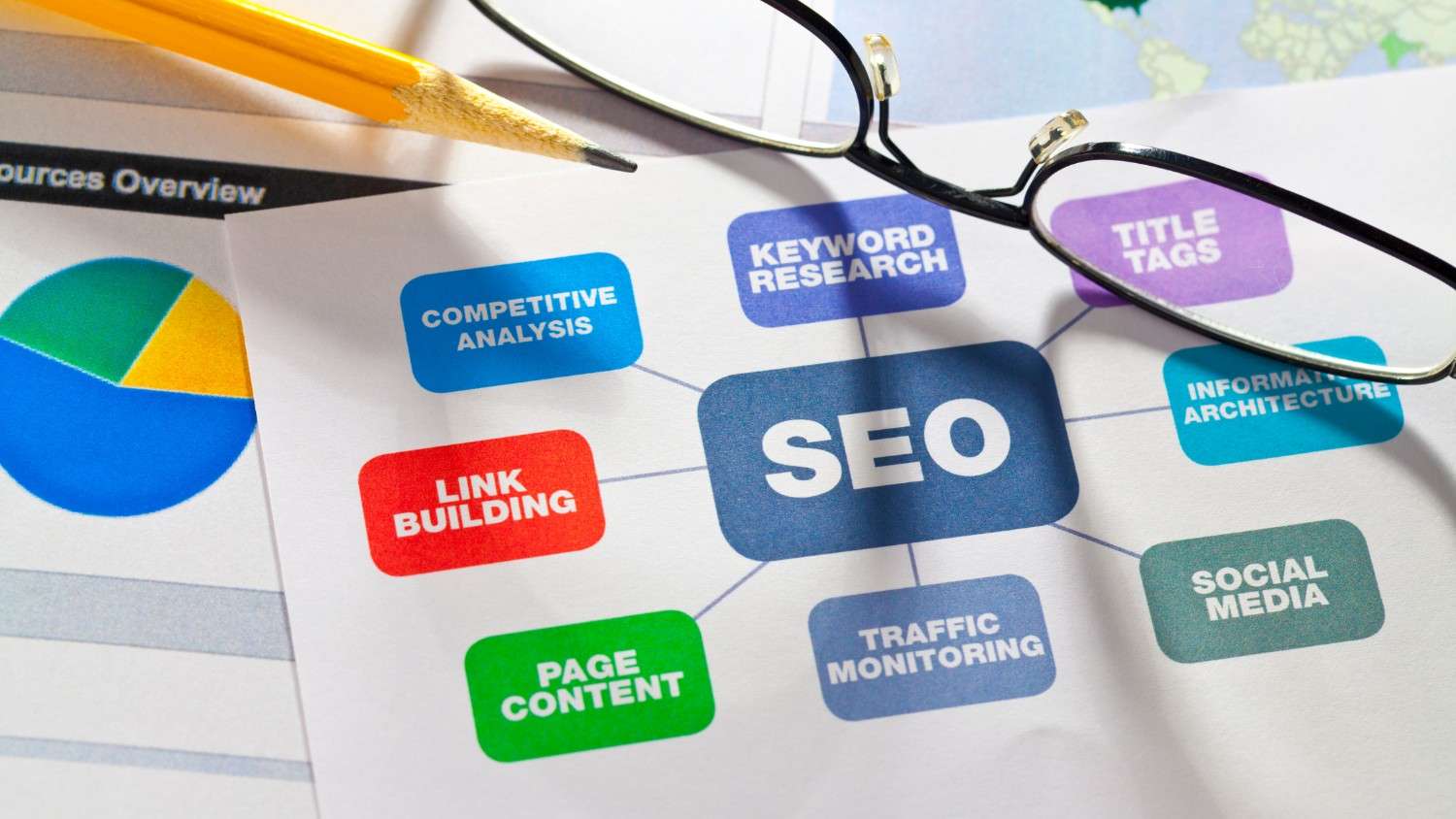
SEO is the process of improving a website so search engines can understand, trust, and rank its pages for relevant searches.
Paid advertising works differently. Businesses pay platforms such as Google Ads to display advertisements for selected keywords, audiences, or searches.
The key difference is simple:
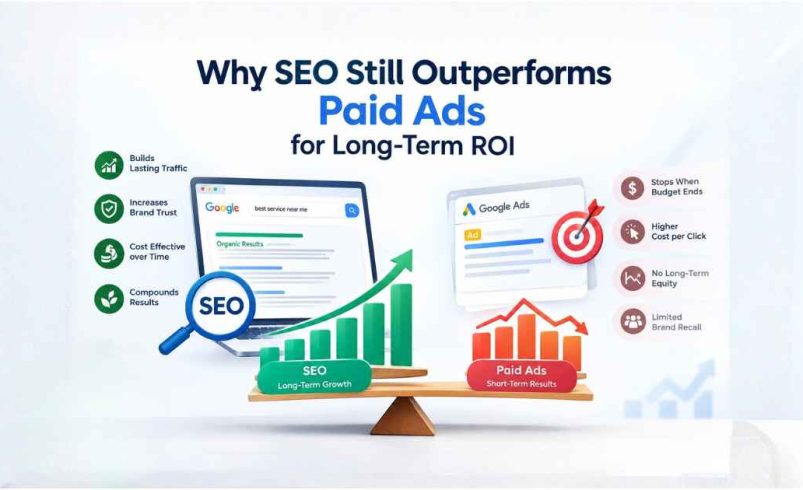
Paid ads provide immediate visibility, while SEO aims to build sustainable organic visibility.
Neither channel is automatically better for every situation. A new business launching a product tomorrow may benefit greatly from paid ads. A business trying to reduce its customer acquisition costs over the next three to five years needs to think seriously about organic search.
Why Does SEO Often Produce Better Long-Term ROI?
1. You Do Not Pay for Every Organic Click
With paid search, advertisers generally pay when users click their advertisements.
Organic search does not work that way.
Once a page ranks organically, it can receive clicks without a direct advertising charge for each visitor. Of course, SEO still requires investment in strategy, content, technical work, expertise, and authority building.
The difference is that the investment creates an asset that can continue generating value.
2. SEO Traffic Can Compound Over Time
One of the most important advantages of SEO is its compounding nature.
Imagine a business publishes a detailed guide targeting an important customer question. The page starts ranking, attracts visitors, earns references from other websites, and begins supporting related pages through internal links.
The company then publishes additional useful content around the same subject.
Over time, these pages can collectively strengthen the site’s topical authority.
The result is not simply one ranking. It can become an expanding organic search presence.
3. SEO Can Lower the Effective Cost of Customer Acquisition
Paid advertising can become expensive when businesses compete for valuable commercial keywords.
For example, a company selling professional services may compete against several businesses for searches with strong purchase intent. If CPCs are high, acquiring every new lead through paid traffic can become costly.
SEO requires upfront and ongoing investment, but successful organic traffic can continue producing enquiries without the same per-click advertising expense.
The important metric is therefore not simply “How much did SEO cost?”
Businesses should ask:
“How much qualified revenue did our organic visibility generate compared with the total investment?”
Does SEO Build More Trust Than Paid Ads?
Organic rankings do not automatically mean a company is trustworthy. However, consistently appearing in relevant search results alongside useful, expert content can strengthen brand familiarity and credibility.
A potential customer might first discover a business through an informational article.
Later, they may find a service page.
Then they may search the company’s name, read reviews, compare alternatives, and finally make an enquiry.
This creates a longer customer journey where SEO supports several stages rather than only the final click.
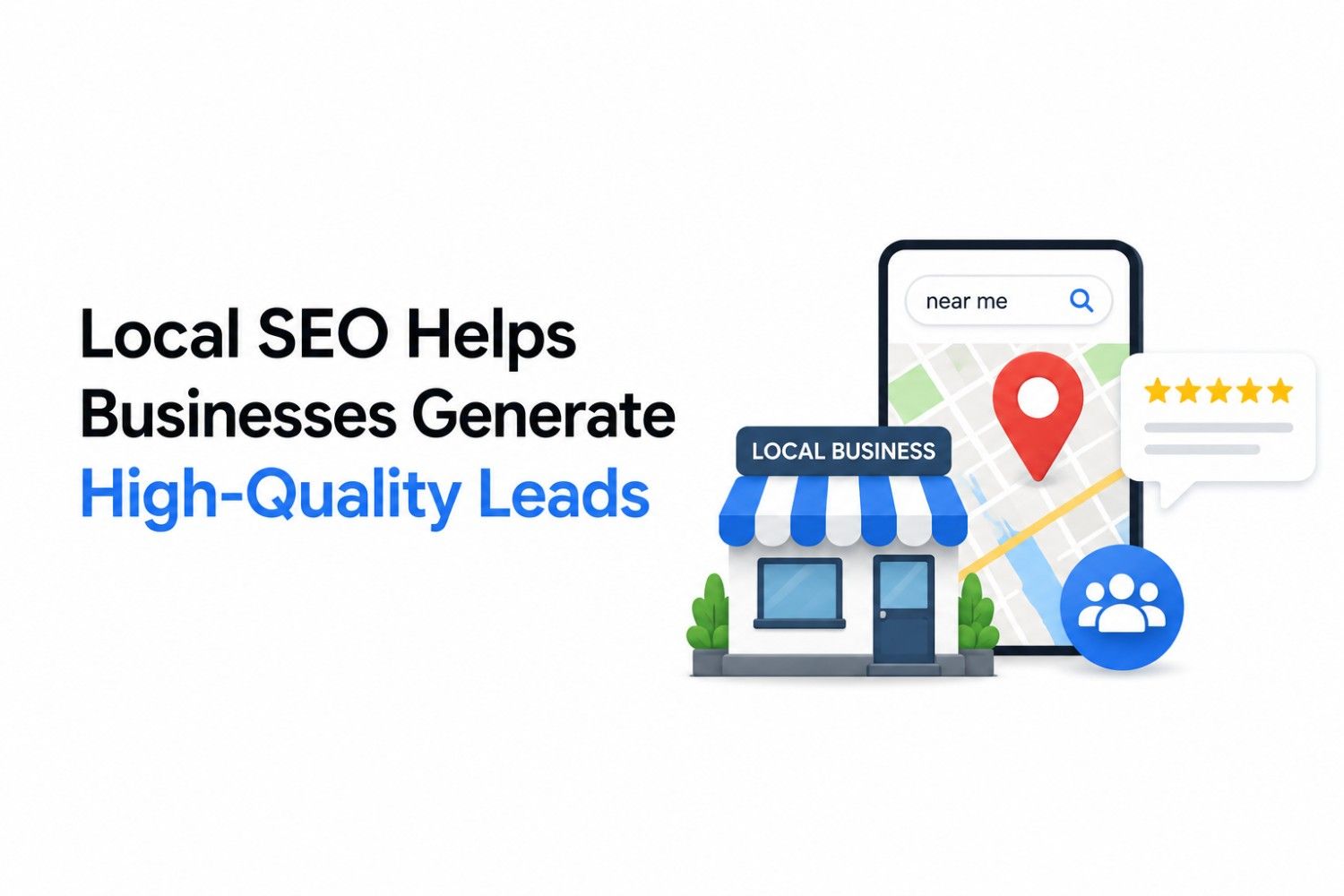
For local businesses, this can be especially valuable because customers often research a company before contacting it.
Why Can Paid Ads Become Expensive Over Time?
Paid advertising is highly competitive.
When multiple companies target the same high-intent keyword, advertising costs can increase. Businesses also need to monitor campaign performance, landing pages, conversion rates, keyword relevance, and audience quality.
There is another issue: budget dependency.
If a company spends ₹1 lakh on advertising and generates leads, the campaign may perform well. But if the budget is stopped, the paid traffic associated with that spending generally disappears.
SEO works differently. A page that has earned strong rankings may continue attracting organic visitors even after the initial content investment.
That does not mean rankings are permanent. Competitors can improve, algorithms can change, and content can become outdated. SEO requires maintenance, but the underlying asset can continue producing value.
What Happens When You Stop Paying for Google Ads?
This is one of the clearest differences between SEO and paid advertising.
When a paid campaign is paused, the advertisement stops participating in the auction. As a result, the traffic generated specifically through that campaign can fall sharply.
With SEO, stopping work does not necessarily remove existing rankings immediately.
A well-established page may continue receiving impressions and clicks because it has already earned organic visibility.
However, businesses should not treat SEO as a “set and forget” strategy. Competitors publish new content, search behaviour changes, and existing information can become outdated.
Regular optimisation protects the investment.
A Practical Example: SEO vs Paid Ads for a Local Business
Consider a digital marketing company targeting customers in Pune and Pimpri-Chinchwad.
It could run paid ads for searches such as:
- Digital marketing agency in PCMC
- SEO services in Pune
- Local SEO company near me
- Google Ads agency in PCMC
These campaigns can generate immediate traffic.
At the same time, the business could develop organic content around local SEO, website optimisation, PPC, social media marketing, digital marketing costs, and industry-specific marketing strategies.
Initially, paid ads may produce faster results.
After several months of consistent SEO work, however, multiple pages may start attracting organic traffic for different searches.
That is the fundamental difference: paid advertising can scale traffic by increasing spending, while SEO can scale visibility by expanding useful organic assets.
When Should You Choose an SEO Agency in PCMC?
For businesses operating in Pimpri-Chinchwad, local expertise can make a meaningful difference.
Working with an SEO Agency in PCMC can help a local business build a strategy around the search behaviour of customers in areas such as Pimpri, Chinchwad, Wakad, Bhosari, Nigdi, Ravet, Punawale, Tathawade, Moshi, Pimple Saudagar, and nearby business hubs.
A strong local SEO strategy may include:
- Google Business Profile optimisation
- Local keyword research
- Location-focused service pages
- Review and reputation signals
- Local content
- Technical SEO
- Internal linking
- Relevant backlinks
- Conversion-focused landing pages
The objective should not be creating dozens of nearly identical city pages. It should be building genuinely useful local information that answers what customers in those areas are searching for.
Top Technical SEO Mistakes That Can Hurt Your Website Rankings
When Are Paid Ads Better Than SEO?
SEO should not be presented as a replacement for paid advertising.
Paid ads are particularly useful when a business:
- Needs immediate visibility
- Is launching a new product
- Wants to test keyword demand
- Has a seasonal promotion
- Wants fast lead generation
- Is entering a highly competitive market
- Needs traffic while SEO is still gaining traction
For example, an ecommerce company launching a limited-time festive offer may reasonably prioritise paid advertising.
At the same time, it can invest in SEO to build sustainable traffic for its product categories and educational content.
Why Should Businesses Use SEO and Paid Ads Together?
The smartest approach is often not SEO versus paid ads but SEO plus paid ads.
Paid campaigns can provide valuable data about:
- High-converting keywords
- Customer preferences
- Effective headlines
- Landing-page performance
- Commercial search intent
That information can help shape SEO content.
SEO can then gradually capture organic traffic for keywords that previously required continuous advertising spend.
This creates a balanced acquisition strategy:
Paid Ads = speed and testing
SEO = sustainability and compounding visibility
How Can Businesses Improve SEO ROI?
Businesses should avoid measuring SEO only through keyword rankings.
A better approach is to track:
- Organic traffic
- Qualified leads
- Organic conversion rate
- Cost per acquisition
- Revenue from organic search
- Non-branded search visibility
- Customer lifetime value
- Assisted conversions
- Local search visibility
A keyword ranking in position one is useful only if it reaches the right audience and contributes to business results.
The strongest SEO strategies connect search intent with commercial outcomes.
How Long Does SEO Take to Generate ROI?
There is no universal timeline.
A website with strong authority and a technically healthy foundation may see improvements faster than a new website entering a competitive industry.
Results depend on:
- Competition
- Website authority
- Search demand
- Content quality
- Technical SEO
- Backlink profile
- Search intent
- Conversion experience
- Consistency of execution
The important point is that SEO is a long-term investment. Businesses should evaluate progress over meaningful periods rather than expecting a sustainable organic strategy to behave like a short advertising campaign.
What Does SEO Look Like in the Age of AI Search?
Search is no longer limited to ten blue links.
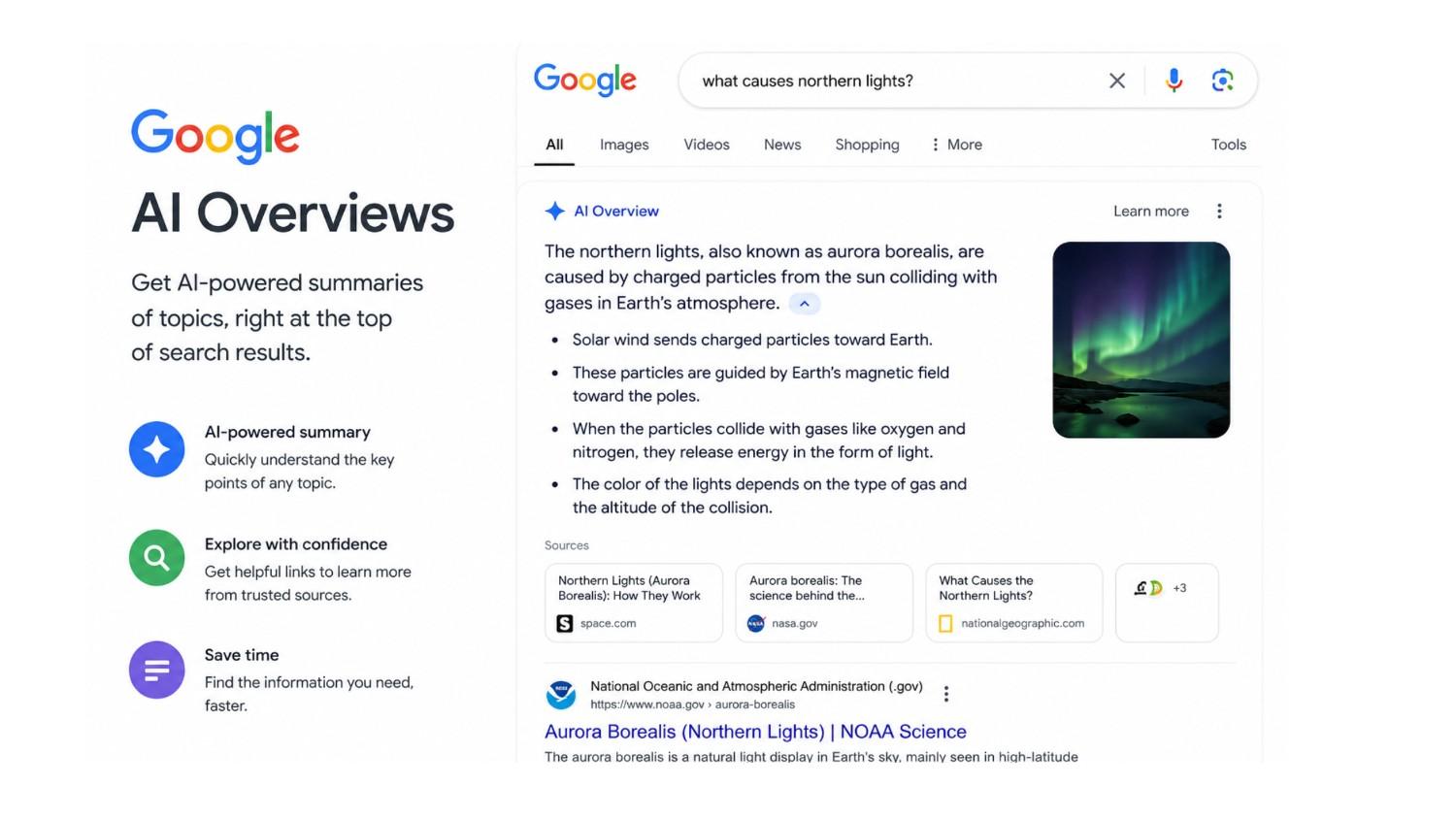
Google AI Overviews, ChatGPT, voice assistants, and other AI-powered search experiences increasingly depend on information that can be understood, contextualised, and trusted.
That makes several SEO fundamentals even more important:
- Clear answers
- First-hand expertise
- Useful original content
- Strong topical coverage
- Clear business information
- Structured pages
- Natural language
- Relevant entities and context
- Trustworthy references
Businesses should therefore optimise not just for a keyword but for the question behind the keyword.
If someone asks, “Is SEO better than Google Ads for a small business?” the best content should answer that question directly, explain the trade-offs, and provide practical examples.
Build an Organic Growth Asset, Not Just Another Campaign
Paid advertising can be one of the fastest ways to generate visibility, and businesses should absolutely use it when the situation calls for immediate results.
But long-term growth requires something more durable.
SEO can turn useful content, strong service pages, local relevance, technical quality, and brand authority into an organic acquisition channel that continues working beyond individual campaigns.
If your business is spending heavily on paid clicks but wants more sustainable customer acquisition, start by auditing your current organic visibility, identifying high-value search opportunities, and building a focused SEO roadmap around qualified traffic and conversions. The goal is not simply to rank higher—it is to build search visibility that keeps generating measurable business value.
Frequently Asked Questions
Is SEO better than paid ads for long-term ROI?
Yes, SEO can deliver stronger long-term ROI because organic rankings can continue generating traffic and leads without paying for every click. Paid ads can produce faster results, but the traffic usually stops when the advertising budget stops.
How long does SEO take to generate results?
SEO usually takes several months to show meaningful results, depending on competition, website quality, content, backlinks, and the target market. Unlike paid ads, however, successful SEO can continue producing results long after individual optimization efforts are completed.
Is SEO worth the cost for a small business?
Yes, SEO can be worth the investment for a small business when it targets relevant keywords and focuses on qualified customers. A well-planned SEO strategy can build consistent organic visibility and reduce long-term dependence on paid advertising.
Can SEO and paid ads be used together?
Yes. SEO and paid ads work well together when used for different goals. Paid ads can generate immediate traffic while SEO builds long-term organic visibility, allowing businesses to capture customers both now and in the future.
What gives a better ROI: SEO or Google Ads?
It depends on the business and its goals. Google Ads can offer faster leads and predictable campaign control, while SEO can provide compounding organic traffic over time. For long-term customer acquisition, SEO often becomes more cost-efficient as organic visibility grows.