


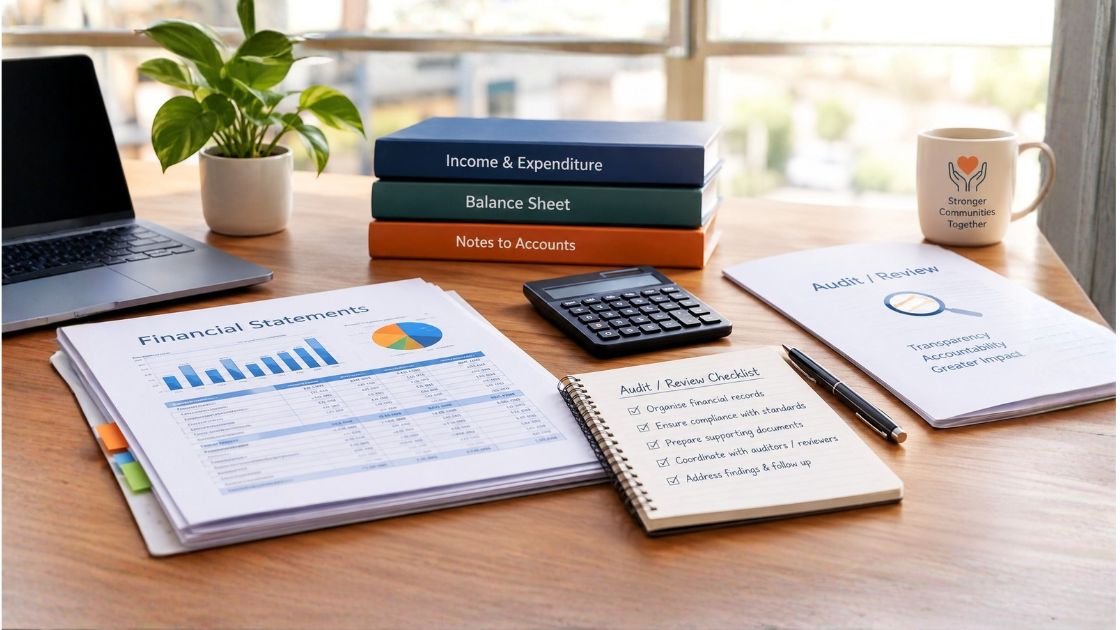
Summary – Australian not-for-profit organisations should prepare financial reports by confirming their reporting obligations, reconciling accounts, checking donations and grants, and preparing financial statements under the applicable accounting


Summary – PAYG instalments are advance payments towards your expected income tax in Australia. If your business profit or investment income falls, you may be able to vary

Summary – Australian online sellers need to track more than the money deposited into their bank accounts. Accurate e-commerce bookkeeping means recording gross sales, GST collected, marketplace fees,

Summary – An overseas business looking to enter the Australian market must determine the right business structure, understand its Australian Securities and Investments Commission (ASIC) registration requirements, and

Summary — An accountant and a business advisor support a business in different but often complementary ways. An accountant typically focuses on financial records, taxation, reporting and compliance,
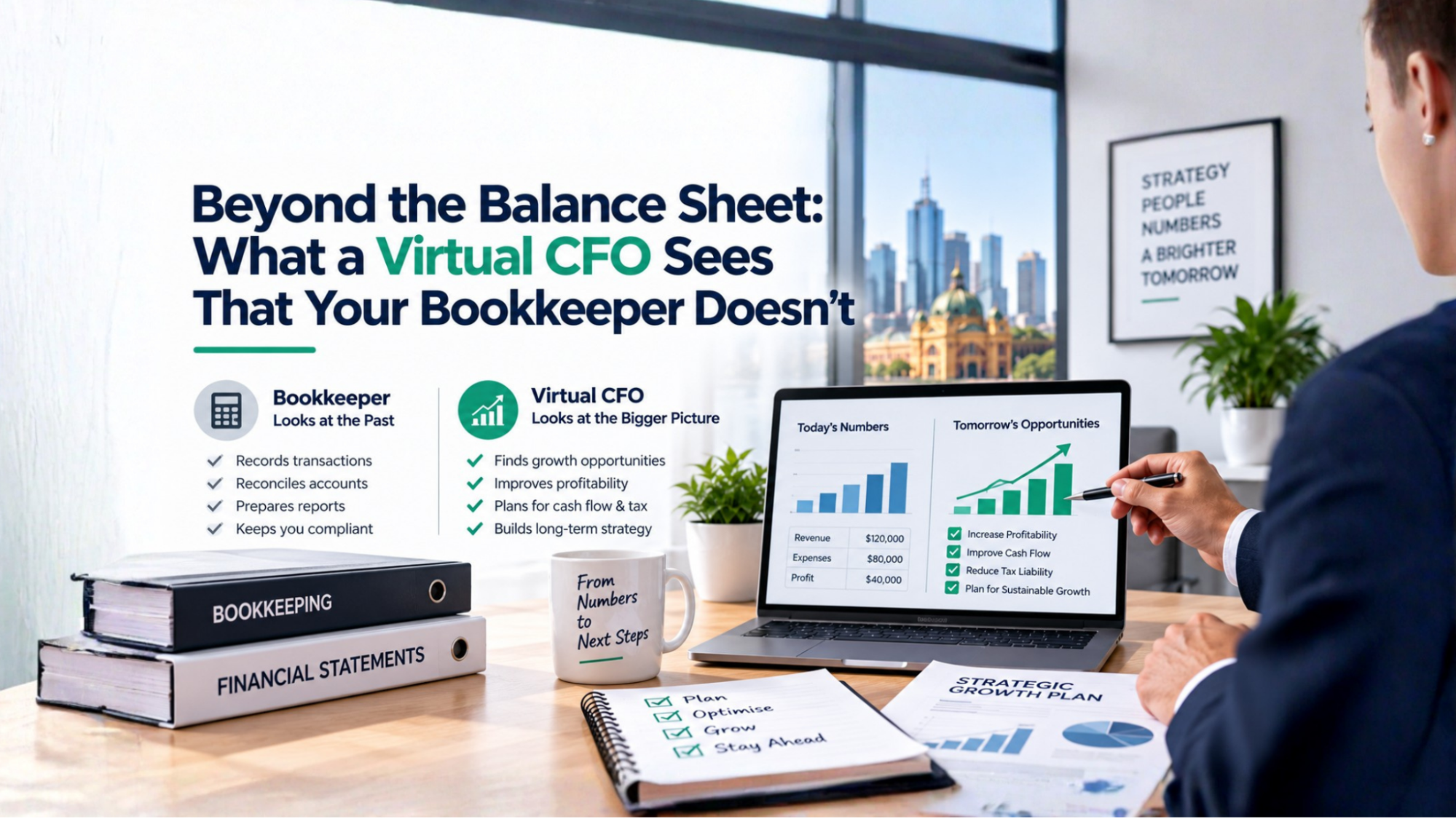
Summary – A bookkeeper tells you what has happened financially. A Virtual CFO helps you understand why it happened, what could happen next, and what your business should

Summary – An ATO audit is a detailed review of a business’s tax affairs to check whether reported income, expenses, deductions, GST and other tax information are accurate

Summary — Many Australian startup founders treat business structure as a registration task rather than a strategic business decision. Choosing between a sole trader, partnership, company or trust

Summary – A small business can have strong sales and still fail if cash does not arrive when bills are due. Late customer payments, rising expenses, inventory costs,

Summary – From 1 July 2027, Australia’s capital gains tax (CGT) rules will change for capital gains that accrue from that date. The current 50% CGT discount will