


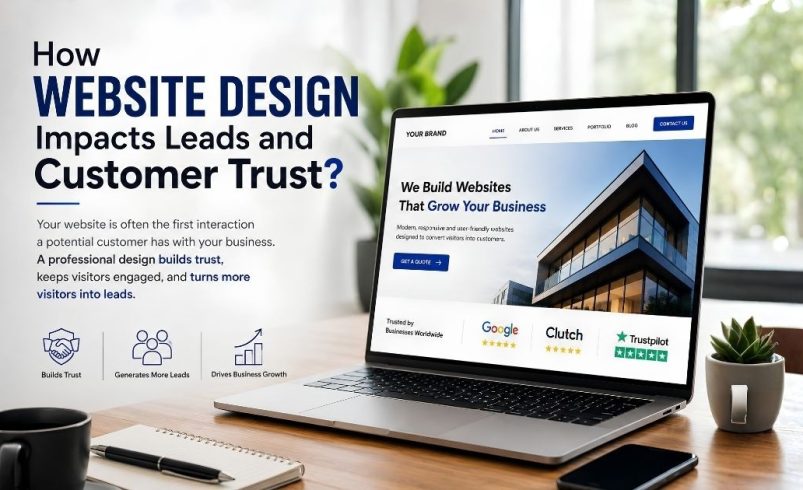
Summary – Website design directly influences how visitors perceive a business, navigate its website, and decide whether to make an inquiry. A professional website with clear information, mobile-friendly design, fast loading speed, intuitive navigation, trust signals, and strong calls to action can improve customer confidence and support lead generation. For local businesses in PCMC, combining good website design with local SEO, useful content, and conversion-focused pages can make the website a valuable source of qualified enquiries.
When someone discovers a business online, the website often becomes the next step before a purchase decision. A customer may find a company through Google Search, Google Maps, social media, an advertisement, or a recommendation and then visit its website to decide whether the business appears reliable.
That decision can happen quickly.
A cluttered layout, outdated design, confusing navigation, or missing information can create doubt. A clear, professional, and useful website can do the opposite: answer questions, demonstrate credibility, and make it easy for visitors to take action.
For this reason, website design should be treated as part of the customer acquisition process, not simply as a visual exercise.
How Does Website Design Impact Leads and Customer Trust?
Website design influences three important stages of the customer journey:
First impression → Trust and engagement → Conversion
Visitors need to understand what a business offers, determine whether it can solve their problem, and find an easy way to contact the company.
A well-designed website removes unnecessary friction.
For example, a manufacturing company may need detailed product specifications and an RFQ form, while a local clinic may prioritize service information, doctor profiles, appointment booking, and directions.
The right design depends on customer intent and business requirements.
Why Is Website Design Important for Business Credibility?
A website can act as a digital representation of a company’s professionalism.
Consider two service providers offering similar solutions. One website contains outdated information, broken links, poor-quality images, and no evidence of previous work. The other provides clear service pages, recent project examples, testimonials, business information, and easy contact options.
The second business has created more opportunities to establish trust before the first conversation takes place.
This does not mean attractive design automatically creates credibility. Trust comes from combining professional presentation with accurate information, genuine evidence, transparency, and a reliable user experience.
What Website Elements Build Customer Trust?
Businesses can strengthen website credibility by including relevant trust signals such as:
- Genuine customer testimonials
- Case studies
- Portfolio or project examples
- Industry certifications
- Company information
- Experienced team profiles
- Clear contact details
- Physical location where relevant
- Secure HTTPS
- Privacy and business policies
- Helpful FAQs
Avoid filling pages with unsupported claims such as “best,” “No. 1,” or “guaranteed results.”
Specific evidence is more persuasive. Showing how a company solved a customer problem is generally more useful than simply saying the company is the best.
How Does User Experience Affect Lead Generation?
User experience, or UX, refers to how easily people can interact with a website and accomplish what they came to do.
Good UX makes information easy to find. Businesses can learn more about the value of UX-driven web design services when planning a website focused on usability and conversions.
Important elements include:
- Logical navigation
- Clear headings
- Readable content
- Consistent layouts
- Simple forms
- Fast page loading
- Accessible buttons
- Clear calls to action
- Minimal distractions
Imagine a potential customer searching for a service. They land on the homepage but cannot immediately find the relevant service, pricing information, portfolio, or contact option.
Even if the business is highly capable, the website has created unnecessary friction.
Good UX helps visitors move naturally from interest to action.
How Can Website Design Generate More Leads?
A website becomes a lead-generation tool when it gives visitors clear and relevant opportunities to take the next step.
Useful conversion elements include:
- “Get a Quote” buttons
- Consultation forms
- Click-to-call buttons
- WhatsApp enquiry options
- Appointment booking
- Product enquiry forms
- Downloadable guides
- Service-specific landing pages
- Testimonials near important CTAs
- Case studies
A simple customer journey could look like:
Google Search → Service Page → Case Study → Trust Signal → Enquiry Form → Lead
The important point is that every CTA should match the visitor’s intent.
A B2B buyer may want a quotation, while someone researching a professional service may first want a consultation.
Why Is Mobile-Friendly Design Essential for Customer Trust?
Local customers frequently search for businesses while using smartphones.
A website that works well on a desktop but becomes difficult to use on mobile can quickly lose potential leads.
A mobile-friendly website should provide:
- Responsive layouts
- Readable text
- Easy navigation
- Tap-friendly buttons
- Click-to-call functionality
- Simple enquiry forms
- Quick access to directions
This is particularly relevant for local searches in areas such as Pimpri, Chinchwad, Wakad, Nigdi, Akurdi, Ravet, Punawale, Tathawade, and Bhosari.
A person searching for a nearby business may want an answer immediately. The website should make the next step obvious.
Mobile usability also supports conversational and voice-search behavior. People may ask questions such as “Which service provider near me can help with this?” Content that answers common customer questions clearly can improve both usability and search relevance.
How Does Website Speed Affect Trust and Conversions?
Website speed influences how quickly visitors can access information.
A slow website can create frustration, particularly on mobile connections. Visitors may leave before reaching an important service or contact page.
Common areas to review include:
- Image file sizes
- Hosting performance
- Browser caching
- JavaScript
- CSS
- Third-party scripts
- Server response time
Businesses should also monitor Core Web Vitals and other performance indicators.
Speed should not be treated only as an SEO task. It is part of the overall customer experience.
Does Website Design Affect SEO?
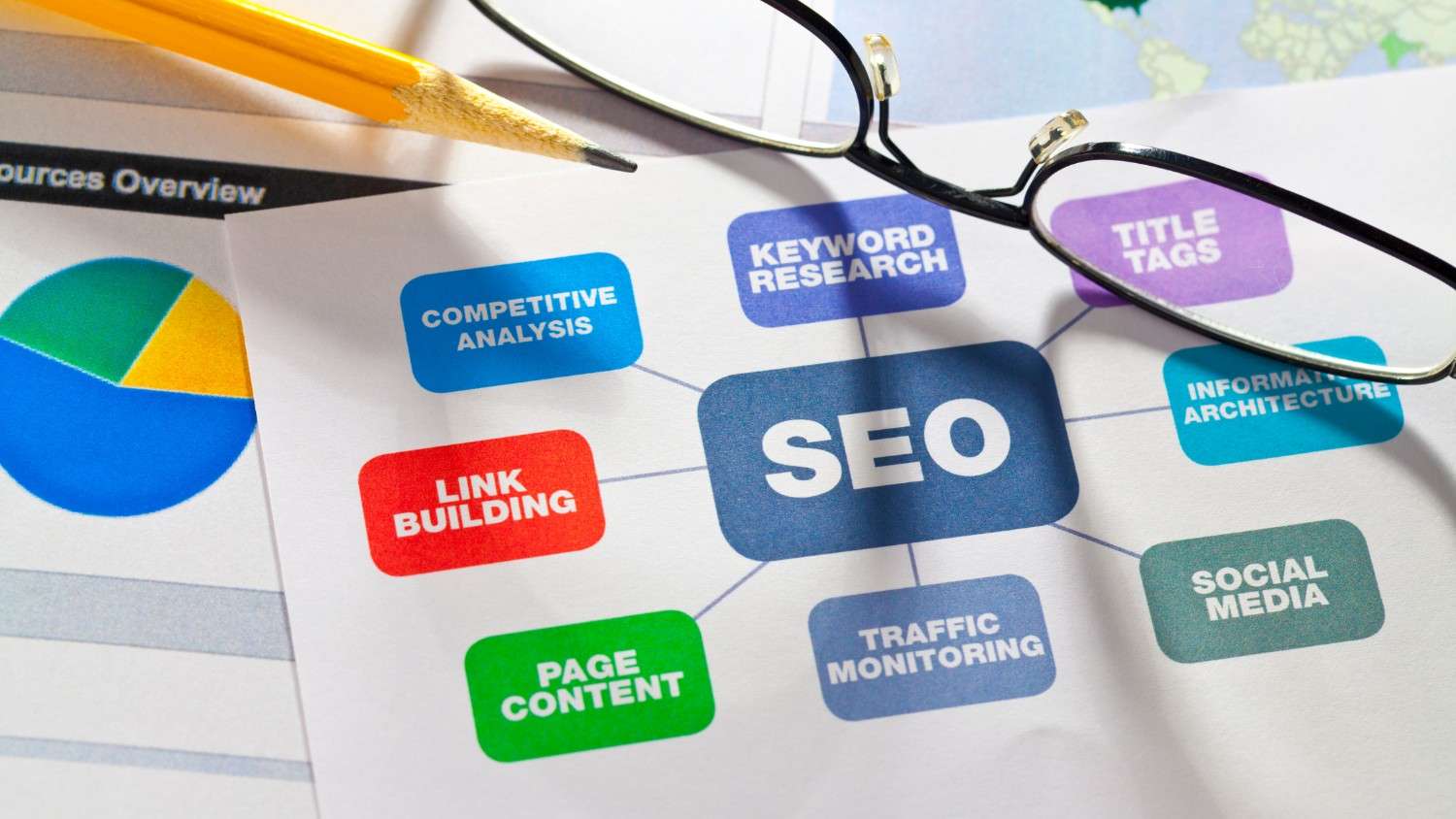
Design alone does not guarantee higher rankings, but website architecture and technical implementation can influence how easily users and search engines access information. Learn more about how website design affects SEO and why these factors matter.
A search-friendly website should consider:
- Mobile usability
- Crawlable navigation
- Internal linking
- Clear heading hierarchy
- Descriptive URLs
- Image optimization
- Page speed
- Accessible content
- Structured data
- Logical site architecture
SEO should ideally be considered during website development instead of being added after the website is already built.
How Can PCMC Businesses Use Website Design to Generate Local Leads?
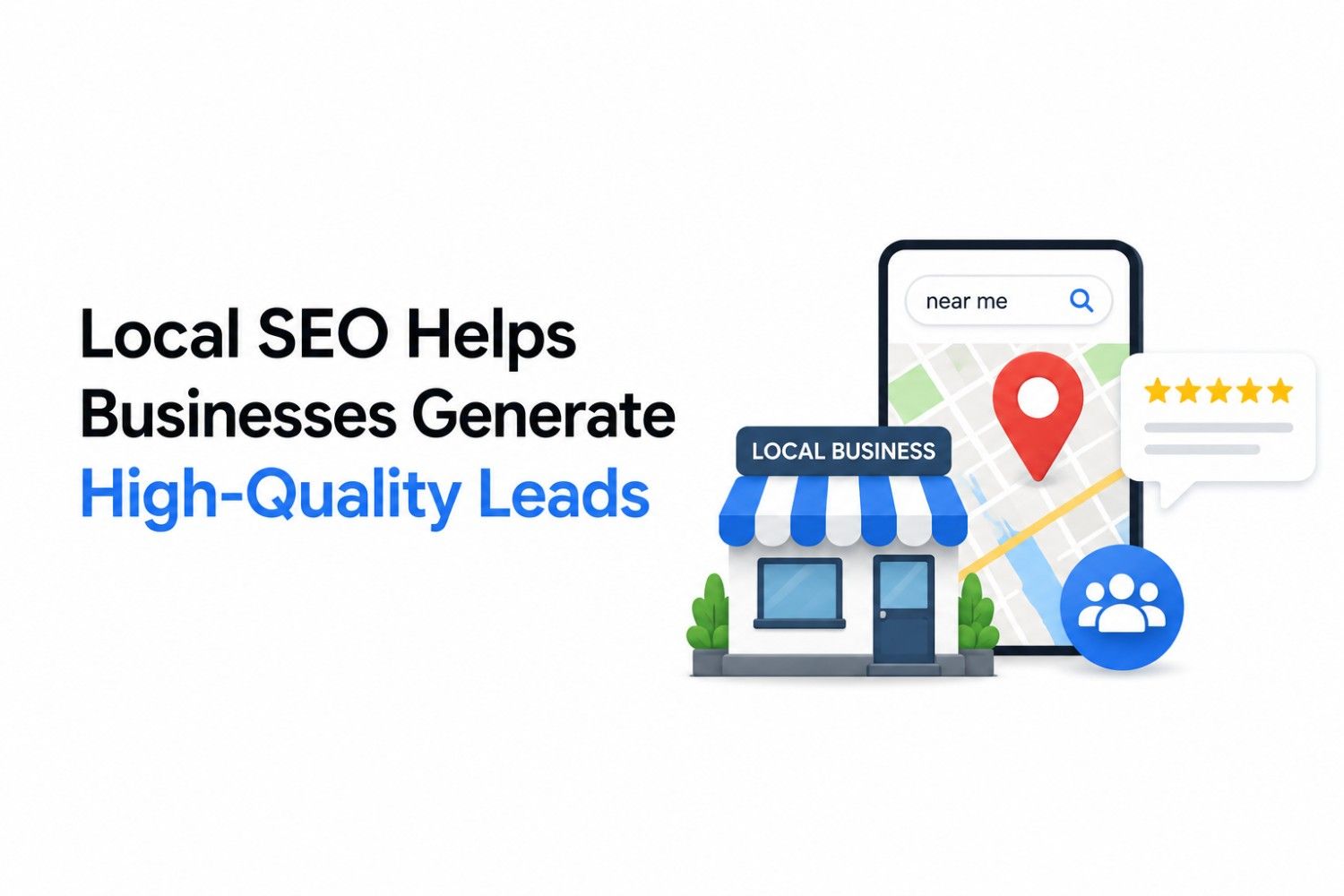
Local businesses can combine website design with local SEO to improve their chances of appearing for relevant location-based searches.
For example, a company serving PCMC may have dedicated pages for genuinely important service areas such as Wakad, Pimpri, Chinchwad, Nigdi, Ravet, or Bhosari.
However, location pages should provide useful, unique information.
Simply creating dozens of pages where only the locality name changes can create a poor experience for users.
A stronger local website explains:
- Which services are available
- Which customers are served
- Relevant local experience
- Service availability
- Contact options
- Directions where appropriate
- Common customer questions
Businesses looking for professional support can evaluate a website development agency in PCMC based on its ability to combine design, technical development, SEO, mobile usability, performance, and conversion strategy—not simply its visual portfolio.
How Does Website Design Differ Across Industries?
Different industries require different website experiences.
Manufacturing and B2B
Manufacturers may need product specifications, technical documents, certifications, industries served, case studies, and RFQ forms.
Healthcare
Healthcare websites often need service information, practitioner details, appointment options, FAQs, operating hours, and location information.
Retail
Retail businesses can benefit from product information, offers, store details, directions, reviews, and easy contact options.
Professional Services
Consultants, agencies, and service providers can use portfolios, case studies, testimonials, service pages, and educational content to demonstrate expertise.
This is why copying a competitor’s website structure rarely produces the best results. The design should reflect how customers research, evaluate, and purchase the specific service.
What Website Design Mistakes Can Reduce Leads?
Some common issues can damage both trust and conversions:
- Outdated visual design
- Poor mobile experience
- Slow loading pages
- Complicated navigation
- Weak calls to action
- Long enquiry forms
- Missing contact information
- Generic service descriptions
- Poor-quality images
- Too many pop-ups
- Duplicate location pages
- Broken links
- No conversion tracking
A website audit can identify where visitors are losing interest and which pages need improvement.
How Can Businesses Create a Trust-Building, Lead-Generating Website?
A practical approach is:
- Understand the target customer
Identify what customers search for and what information influences their decision. - Build clear service pages
Explain the problem, solution, process, benefits, and next steps. - Add genuine trust signals
Use real testimonials, projects, certifications, and case studies. - Optimize mobile usability
Make navigation and contact options simple on smaller screens. - Improve technical performance
Review speed, Core Web Vitals, security, and technical errors. - Add conversion paths
Give visitors clear options to call, enquire, book, or request a quote. - Track results
Use analytics and conversion tracking to understand which pages generate meaningful enquiries.
Make Your Website a Stronger Part of Your Sales Process
A website should do more than make a business look professional. It should help potential customers find the company, understand its offering, verify its credibility, and take action with confidence.
For businesses in PCMC, the strongest results come when professional design is combined with local SEO, useful content, mobile usability, fast performance, and conversion-focused functionality.
If your website receives visitors but generates few enquiries, don’t immediately assume you need more traffic. First examine the experience those visitors are receiving. Review your navigation, service pages, trust signals, mobile experience, page speed, and calls to action.
Then make the improvements that remove the biggest barriers between website visitors and genuine customer enquiries.
Frequently Asked Questions
Does website design really affect customer trust?
Yes. Professional design, clear information, strong usability, genuine evidence, security, and transparent business information can influence how credible a company appears to potential customers.
How does website design help generate leads?
A conversion-focused website makes it easier for visitors to understand a company's offering and take action through forms, calls, WhatsApp, bookings, quotations, or other relevant conversion paths.
Does mobile-friendly design improve conversions?
It can. If customers struggle to navigate or contact a business on mobile devices, potential enquiries may be lost. Responsive layouts and simple mobile interactions reduce this friction.
Does website design affect SEO rankings?
Website design does not guarantee rankings, but factors such as mobile usability, page speed, site architecture, navigation, internal linking, and content organization can support a better search experience.
How can a local business improve its website for more leads?
Start by improving the most important service pages, adding genuine trust signals, simplifying contact options, improving mobile performance, targeting relevant local searches, and measuring conversions.