


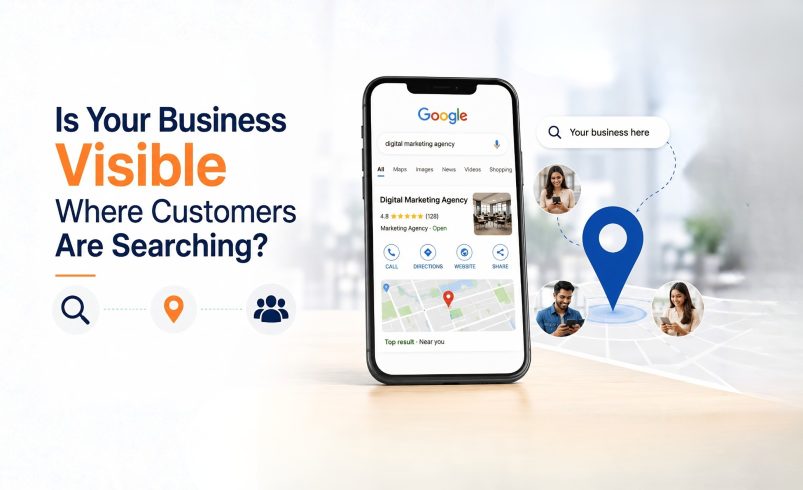
Summary – Business visibility means being discoverable wherever potential customers search for information, services, products, reviews, or local businesses. Google Search and Maps remain important, but customers also use YouTube, Instagram, LinkedIn, review platforms, marketplaces, and AI tools such as ChatGPT, Gemini, and Perplexity. To improve visibility, businesses should combine SEO, local SEO, helpful content, social search, reputation management, video, and AI-focused optimization. The goal is simple: be present when customers are ready to ask, compare, trust, and buy.
What Does Business Visibility Actually Mean?
Business visibility is more than having a website or social media account. It means your business can be found, understood, and trusted when someone searches for the products or services you offer.
For example, imagine someone searches for “SEO agency in Pune.” If your website appears on Google, your Google Business Profile is visible on Maps, customers can find positive reviews, and your social profiles provide useful information, your business has multiple opportunities to earn that customer’s attention.
If a competitor appears in all those places while your business appears nowhere, the customer may never know you exist.
That is why modern search visibility should be measured across the entire customer journey—not just by checking your website’s Google ranking.
Where Are Customers Searching for Businesses?
Customers no longer rely on a single search channel. The right platforms depend on the industry, location, audience, and type of purchase.
Google Search
Google remains a major starting point for researching services, comparing businesses, finding answers, and checking pricing or availability.
Customers may search for:
- “best digital marketing agency in pune”
- “website development company near me”
- “SEO services for small businesses”
- “how much does SEO cost?”
- “best restaurant in Pune”
Ranking for these searches can introduce your business before the customer contacts a competitor.
Google Maps and Local Search
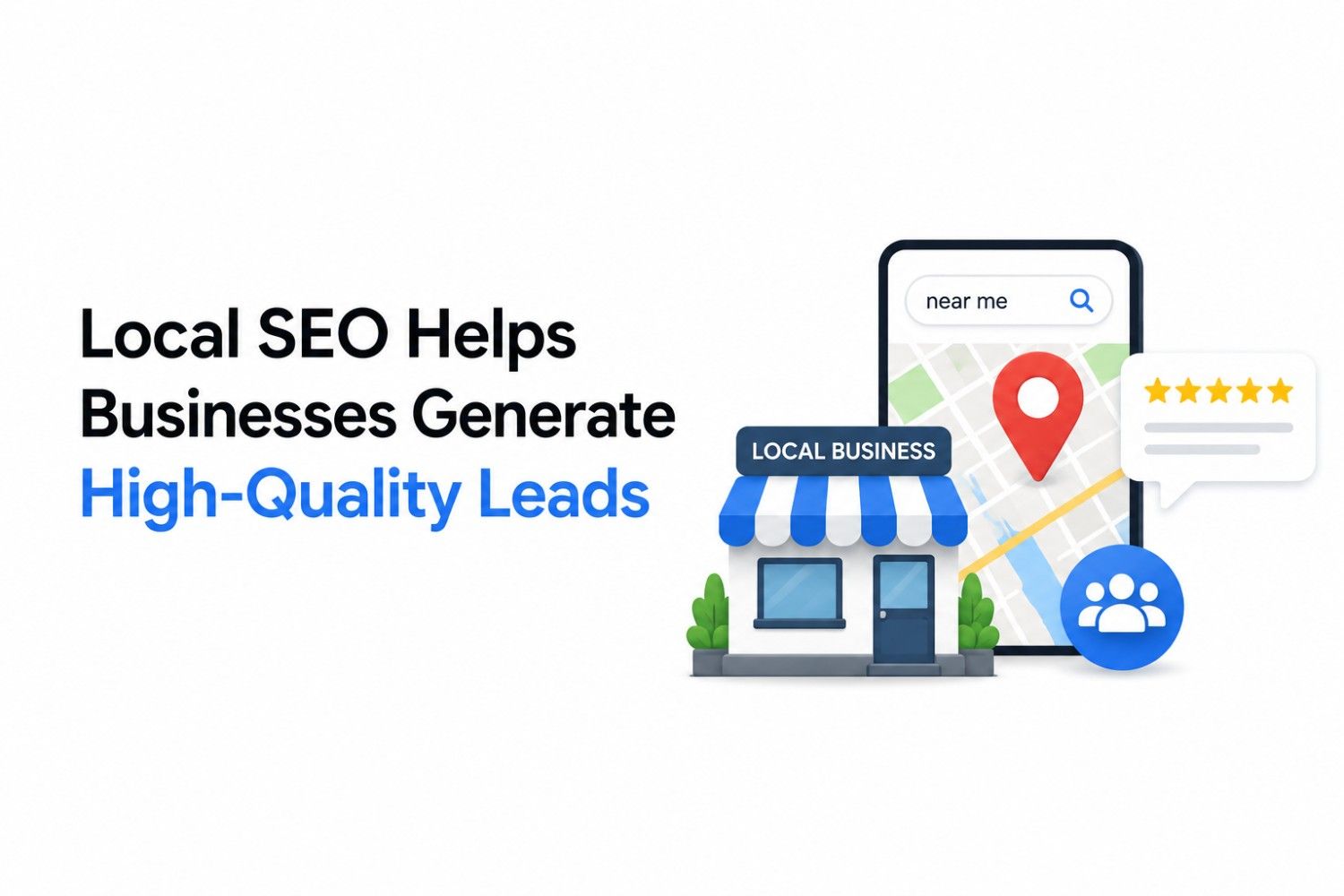
For businesses serving specific locations, Google Maps can be just as important as traditional search results.
Someone in Pune may search for “digital marketing agency near me,” while a customer in Pimpri-Chinchwad might search for “SEO agency in Wakad” or “website design company in PCMC.”
Your Google Business Profile, reviews, business information, location relevance, and website all contribute to local discoverability.
Social Media Search
Social platforms have also become discovery engines.
Customers increasingly search Instagram for restaurants, LinkedIn for B2B companies and professionals, YouTube for demonstrations, and Facebook for local recommendations.
Your social profile should therefore communicate more than your brand name. It should clearly explain what you offer, who you serve, and where you operate.
YouTube and Video Search
Some customers would rather watch a three-minute explanation than read a long article.
Service demonstrations, tutorials, customer stories, product comparisons, and expert videos can help businesses reach users who prefer visual search.
AI Search and Answer Engines
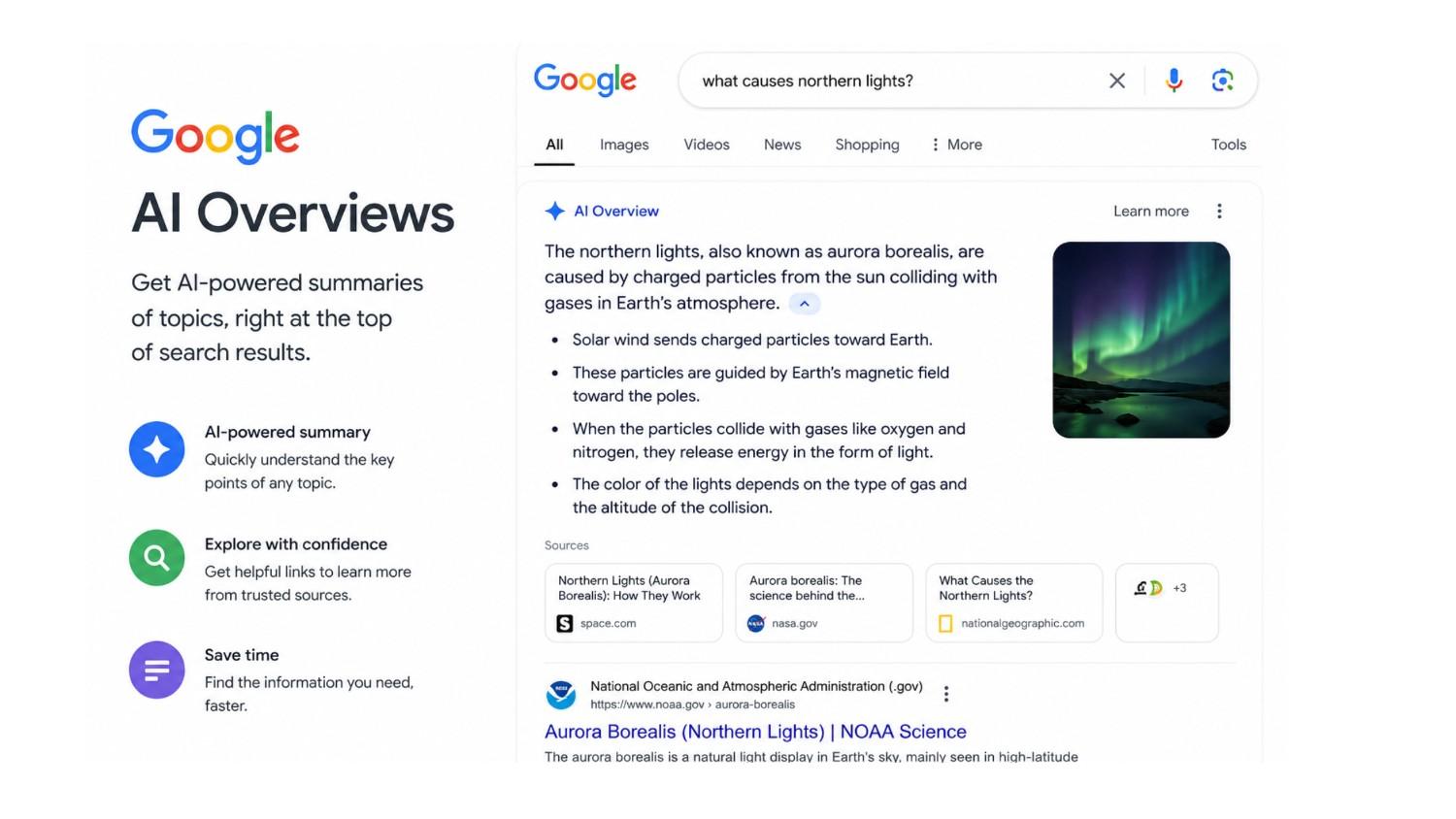
AI-powered search is creating another discovery channel.
People now ask tools such as ChatGPT, Gemini, and Perplexity questions like:
“What are the best digital marketing agencies for a small business?”
or
“Which SEO companies serve businesses in Pune?”
This creates an important opportunity for businesses that consistently publish useful, authoritative, well-structured information.
How Can You Check Whether Your Business Is Actually Visible?
You don’t need complicated software to perform an initial visibility check.
Start by searching your most important services on Google without relying only on your company name.
For example:
“SEO agency in Pune”
“PPC agency near me”
“website development company in Pimpri-Chinchwad”
Then check:
- Does your website appear?
- Does your Google Business Profile appear?
- Are competitors dominating the results?
- Are your reviews visible?
- Do relevant pages answer the searcher’s question?
- Can customers find your social profiles?
- Does your business appear when relevant questions are asked in AI search tools?
Also perform branded searches such as your company name + reviews, company name + services, and company name + location.
This can reveal gaps that a simple keyword-ranking report may miss.
Why Isn’t My Business Showing Up in Search?
Several factors can limit online visibility.
Your Website Doesn’t Match Search Intent
A page targeting “SEO services” should actually explain the service, process, benefits, industries served, locations, and next steps.
Simply repeating “SEO services” throughout the page will not create useful content.
Your Local SEO Is Weak
An incomplete or poorly maintained Google Business Profile, limited reviews, inconsistent business information, and weak location-specific content can reduce local visibility.
Your Content Is Too Thin
If competitors answer common customer questions while your website contains only a few sales pages, search engines and users have fewer reasons to consider your business authoritative.
Your Reputation Is Not Strong Enough
Reviews, testimonials, mentions, and third-party references help potential customers evaluate whether they can trust your business.
Your Competitors Are More Visible Across Multiple Channels
A competitor doesn’t necessarily need to have the best service to win the first enquiry. They may simply be easier to discover.
That is a practical lesson many businesses overlook: visibility creates opportunity before conversion begins.
Is SEO Enough to Make Your Business Visible?
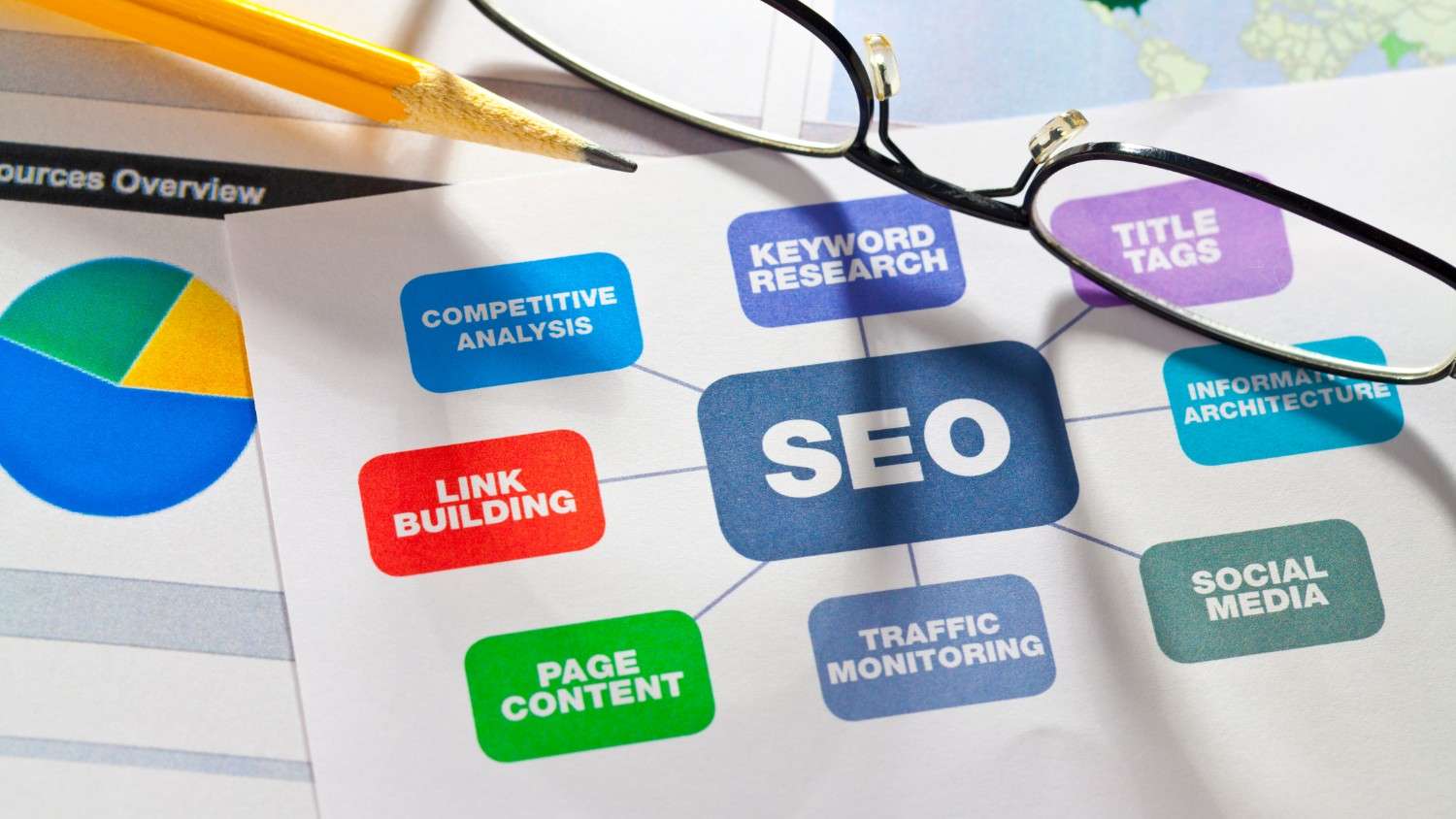
SEO is still fundamental, but modern search visibility requires a broader approach.
A business may rank well on Google but remain difficult to discover on Maps, YouTube, social platforms, review websites, or AI search.
A stronger strategy combines:
- SEO for organic search
- Local SEO for location-based discovery
- Content marketing for informational searches
- Social media for brand discovery
- Video SEO for visual search
- Online reputation management for trust
- AEO for direct-answer searches
- GEO/LLM SEO for AI-powered discovery
Think of this as building multiple entry points to the same business.
How Can You Improve Your Business Search Visibility?
1. Optimize for Search Intent
Create pages around what customers actually want to know.
Instead of producing generic articles, answer questions such as:
- How much does the service cost?
- Which option is right for my business?
- What should I check before hiring a provider?
- How long does the process take?
- What mistakes should I avoid?
This approach makes content useful to both people and answer engines.
2. Strengthen Local SEO
If you serve specific locations, make your geographic relevance clear.
A Pune-based business can create useful, genuinely localized content around areas such as Baner, Wakad, Hinjawadi, Kharadi, Viman Nagar, Pimpri, Chinchwad, Nigdi, Ravet, Punawale, and Tathawade where those locations are genuinely part of its service area.
Avoid creating dozens of nearly identical location pages simply by changing the city name. Each local page should provide meaningful information for customers in that area.
3. Build Helpful Content
Publish content that answers real customer questions.
Guides, comparisons, FAQs, case studies, checklists, expert opinions, and practical examples can strengthen topical authority.
For instance, a construction company can publish content explaining soil testing, structural safety, and construction quality checks instead of publishing only promotional service descriptions.
4. Improve Social and Video Discovery
Use social profiles as searchable brand assets.
Clearly mention your services, industry, locations, and expertise. Create educational posts, short videos, Reels, customer stories, and demonstrations around questions your audience already asks.
5. Build Trust Signals
Customers want evidence before contacting a business.
Strengthen your visibility with:
- Genuine customer reviews
- Case studies
- Testimonials
- Author information
- Industry experience
- Media mentions
- Helpful original content
- Consistent business information
Trust isn’t created by claiming “we are experts.” It is demonstrated through evidence.
How Is AI Changing Business Search Visibility?
AI search is making context and authority increasingly important.
When a person asks an AI assistant for recommendations, the answer may be influenced by information available across websites, reviews, publications, business profiles, and other trusted sources.
That means businesses should make their identity and expertise easy to understand.
Clearly explain:
Who you are → What you do → Who you serve → Where you operate → What expertise you have → Why customers should trust you.
This is where SEO, AEO, GEO SEO, and LLM SEO overlap.
Well-structured pages, direct answers, consistent business information, useful FAQs, original experience, and credible references can make your content easier for search systems and AI models to interpret.
A Simple Business Visibility Audit
Ask these seven questions:
- Google: Can customers find you for important non-branded searches?
- Maps: Does your business appear for relevant local searches?
- Website: Does your website answer customer questions clearly?
- Social: Can people discover your brand on relevant social platforms?
- Reviews: Do customers see credible proof of your service quality?
- Content: Are you publishing useful information around your expertise?
- AI Search: Can AI systems understand what your business does and who it serves?
If several answers are “no,” you have a visibility gap worth addressing.
What Should You Measure?
Don’t focus only on keyword positions.
Track:
- Organic impressions and clicks
- Important keyword rankings
- Google Maps visibility
- Google Business Profile interactions
- Website enquiries
- Leads and conversions
- Branded searches
- Review growth
- Content engagement
- Referral traffic
- Visibility across relevant AI search results
The ultimate goal isn’t simply “rank number one.”
The goal is to be seen, selected, trusted, and contacted.
Your Customers Are Already Searching. Can They Find You?
The most important question isn’t whether your business has a website, Instagram account, or Google Business Profile.
It is whether the right customer can discover you at the exact moment they need what you offer.
If they search Google, check Maps, watch YouTube, browse social media, read reviews, or ask an AI assistant, your business should have a credible presence wherever those decisions happen.
Start by searching your own business the way a customer would. Identify where competitors appear, where your brand is missing, and which questions your existing content fails to answer.
Then turn those gaps into a practical search visibility strategy.
If your business is difficult to find, don’t wait for customers to discover you by accident. Review your search presence, identify the biggest visibility gaps, and take action on the channels that influence your customers most.
Frequently Asked Questions
How can I check if my business is visible online?
Search your main services, locations, and customer questions on Google, Maps, YouTube, social platforms, and AI search tools. Compare your visibility with direct competitors.
Why doesn't my business appear on Google?
Common reasons include weak SEO, limited relevant content, poor local optimization, technical website problems, low authority, inconsistent business information, or strong competition.
Is Google Business Profile important for local businesses?
Yes. It can help customers discover your business through Google Search and Maps, particularly for location-based and “near me” searches.
Does social media help search visibility?
It can. Social profiles and content provide additional discovery opportunities, strengthen brand presence, and help customers learn more about a business.
How can I make my business visible in AI search?
Create authoritative, useful, clearly structured content; maintain consistent business information; demonstrate real expertise; build trustworthy online mentions; and answer the questions your target customers actually ask.
Is SEO still important with AI search?
Yes. SEO remains a foundation for discoverability, while AEO, GEO SEO, content quality, reputation, and entity-level visibility are becoming increasingly important alongside it.