

Summary – SEO is not dead, but the way businesses gain visibility through search is changing. Traditional SEO practices such as technical optimization, useful content, keyword research, internal linking, and authority building still matter. However, AI Overviews, conversational search, zero-click results, brand mentions, and AI-powered answer engines are changing how people discover information and how businesses measure organic success.
For years, businesses have relied on SEO to improve rankings, attract website visitors, and generate leads. Now, with AI-powered search experiences becoming more common, many business owners are asking the same question: Is SEO still worth investing in?
The answer is yes. However, the old approach of targeting a keyword, publishing a basic article, and waiting for traffic is no longer enough.
SEO is becoming more focused on usefulness, search intent, credibility, brand visibility, and the complete customer journey.
Why Do People Think SEO Is Dead?
The belief that SEO is dead comes from several major changes in search behavior.
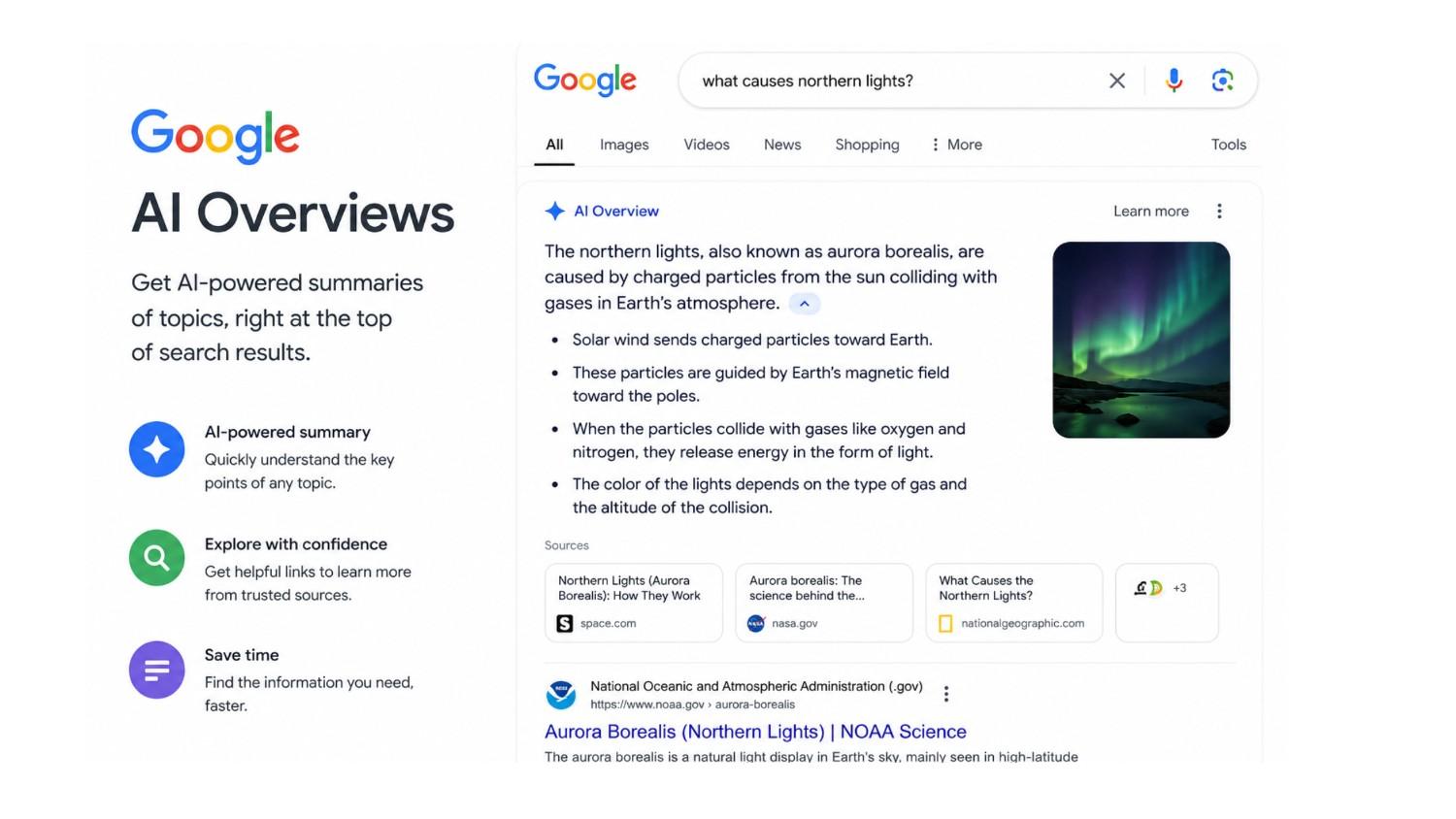
Google now provides more direct answers through AI Overviews and conversational search features. Users may also ask questions through ChatGPT and other AI tools instead of visiting several websites.
This can reduce the number of clicks received by some websites, especially when the search query can be answered quickly.
However, this does not mean websites are no longer important. AI-powered search systems still need reliable information, supporting sources, and relevant pages to understand a topic and provide useful answers.
The opportunity has shifted from simply ranking in a list of blue links to becoming a trusted source across different search experiences.
What Has Actually Changed in SEO?
From Keyword Rankings to Search Visibility
Earlier, many businesses measured SEO success by checking whether a target keyword ranked in the top three positions.
Rankings still matter, but they are no longer the only useful measurement.
A business may now appear through:
- Traditional organic results
- Featured snippets
- AI Overviews
- Local search results
- Image and video results
- Brand mentions
- Third-party articles
- Business directories
- AI-generated answers
This means SEO performance should be evaluated through overall visibility, qualified traffic, enquiries, and conversions—not only one keyword position.
From Exact Keywords to Search Intent
Search engines have become better at understanding what users mean, even when they do not use an exact keyword.
For example, a person searching for “SEO agency” may want to compare service providers. Another person may search, “How can a local business improve its Google visibility?” Both queries are related, but their search intent is different.
Modern SEO should address the reason behind the search.
Content should answer:
- What problem is the user trying to solve?
- What information do they need?
- Are they researching, comparing, or ready to enquire?
- What question might they ask next?
This is particularly important for voice search, where users often ask complete questions instead of typing short phrases.
From Content Volume to Content Value
Publishing more content does not automatically improve organic performance.
Search engines are increasingly focused on content that is useful, original, accurate, and created for people. Generic articles that repeat information already available on many websites may struggle to stand out.
A stronger article includes:
- First-hand experience
- Practical examples
- Clear explanations
- Original observations
- Relevant data
- Expert recommendations
- Answers to related questions
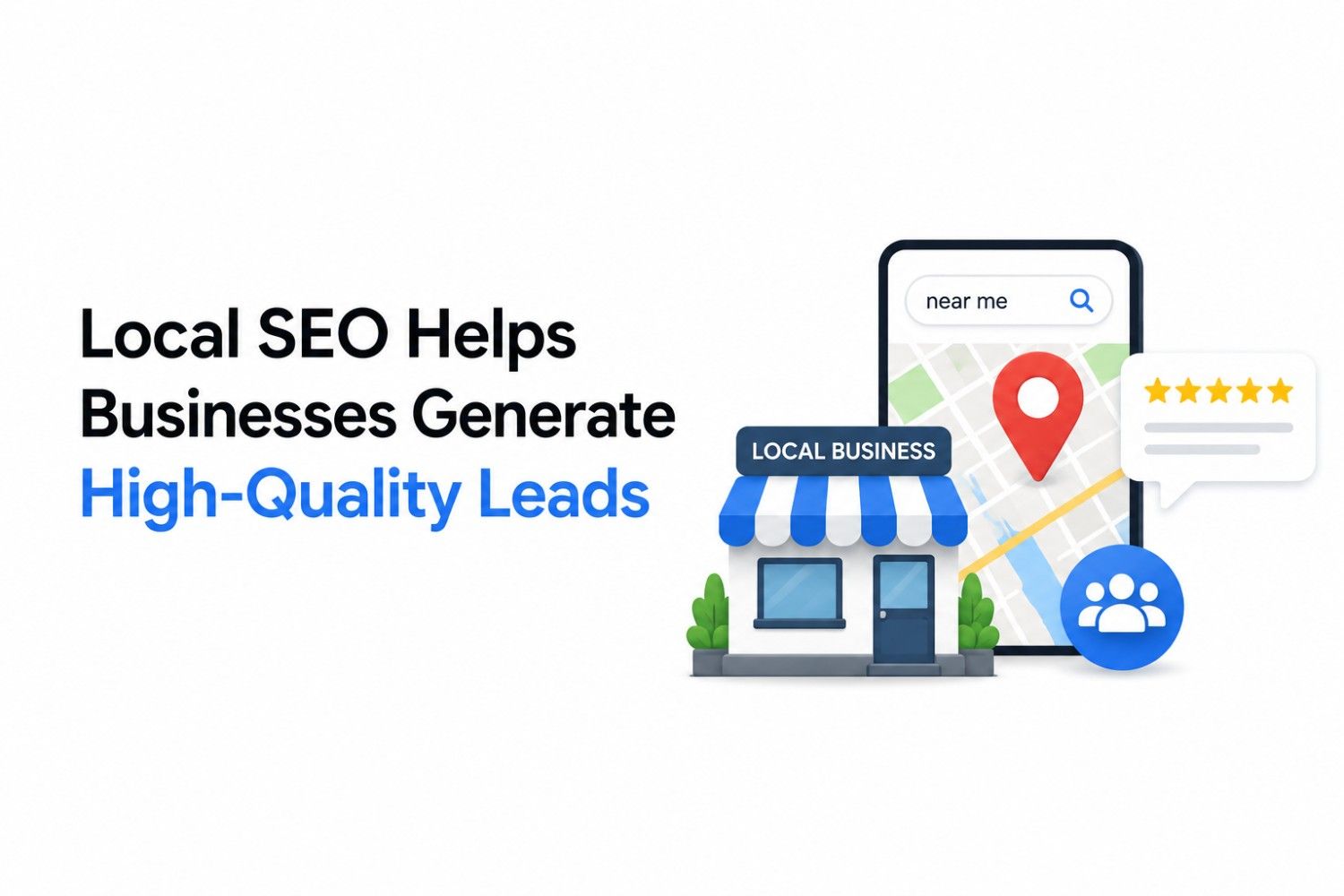
For example, an article about local SEO becomes more useful when it explains how businesses in areas such as Pimpri, Chinchwad, Wakad, or Bhosari can improve local visibility based on customer behavior and service locations.
How Are AI Overviews and AI Search Changing SEO?
AI Overviews and conversational search are changing how users interact with search engines.
Instead of opening several pages, users may receive a summarized answer with supporting links. They can then ask follow-up questions to explore the subject further.
This creates new opportunities for businesses that publish clear and trustworthy information.
To improve the chances of being understood and referenced, content should:
- Answer the main question early
- Use descriptive headings
- Include direct explanations
- Cover related questions
- Provide accurate and updated information
- Demonstrate real experience
- Avoid unnecessary repetition
There is no reliable shortcut that guarantees inclusion in an AI-generated answer. Businesses still need strong technical SEO, helpful content, and a trustworthy online presence.
Which SEO Fundamentals Still Matter?
Although search is changing, the foundation of SEO remains important.
Technical SEO
Search engines must be able to crawl, understand, and index a website.
Important technical areas include:
- Mobile-friendly design
- Fast page loading
- Secure HTTPS
- Clear website structure
- Internal linking
- XML sitemaps
- Canonical URLs
- Indexing controls
- Core Web Vitals
- Structured data where relevant
A website with excellent content can still struggle if important pages cannot be accessed or indexed properly.
Helpful and Reliable Content
Content should satisfy the user’s search intent instead of simply repeating keywords.
A good page explains the topic clearly, uses relevant examples, and helps readers take the next step. It should also avoid exaggerated claims and unsupported promises.
For industries such as healthcare, finance, legal services, and technology, accuracy and trustworthy sources are especially important.
E-E-A-T and First-Hand Experience
E-E-A-T stands for Experience, Expertise, Authoritativeness, and Trustworthiness.
Businesses can demonstrate these qualities by including:
- Author information
- Practical examples
- Case studies
- Original research
- Clear service details
- Customer experiences
- Reliable references
- Transparent business information
For example, a digital marketing article becomes more credible when it explains how a campaign was planned, which metrics were monitored, and what improvements were made.
Are Keywords and Backlinks Still Important?
Yes, but their role has changed.
Keywords help search engines understand the subject of a page. The focus should be on natural keyword placement, related terms, topic coverage, and user intent—not keyword stuffing.
Backlinks can also support authority, especially when they come from relevant and trustworthy websites. A useful editorial link from an industry publication is generally more valuable than a large number of unrelated links.
Businesses should focus on earning links through:
- Useful resources
- Original research
- Digital PR
- Expert contributions
- Industry partnerships
- High-quality guest articles
The goal is to build genuine authority rather than collect links without context.
What Are AEO, GEO, and LLM SEO?
AEO, or Answer Engine Optimization, focuses on making content easy for answer engines to understand and extract.
GEO, or Generative Engine Optimization, focuses on improving visibility across generative AI experiences.
LLM SEO refers to creating clear, trustworthy, context-rich information that language models can interpret accurately.
These approaches are closely connected to traditional SEO. They do not replace technical optimization, content quality, or authority building.
A practical AI-search-friendly article should have a clear answer, logical structure, natural language, relevant entities, and enough context to explain the subject accurately.
How Should Businesses Adapt Their SEO Strategy?
Businesses can adapt by focusing on five practical areas.
First, create content around real customer questions. Use FAQs, conversational headings, comparison pages, and how-to content.
Second, build topical authority. Instead of publishing unrelated articles, create connected content around important services, products, and customer problems.
Third, add original value. Include examples, expert insights, practical steps, and information that cannot be found by simply rewriting another article.
Fourth, improve technical foundations. Make sure important pages are crawlable, mobile-friendly, fast, and properly connected through internal links.
Finally, measure business outcomes. Track qualified traffic, enquiries, conversions, leads, and revenue along with rankings and impressions.
What SEO Tactics Are Becoming Less Effective?
Some older approaches are losing value because they provide little benefit to users.
These include:
- Keyword stuffing
- Mass-produced generic content
- Duplicate location pages
- Irrelevant backlinks
- Thin guest posts
- Publishing only to target keywords
- Creating content without a clear audience
- Using AI-generated content without human review
- Measuring success only through traffic
AI tools can support research and content workflows, but human expertise, editing, fact-checking, and original insight remain important.
Take the Next Step With a Smarter SEO Strategy
SEO is not disappearing. It is becoming more connected to content quality, user experience, brand trust, and measurable business outcomes.
If your website is not attracting qualified visitors or appearing for important customer searches, review your current SEO strategy before investing in more content or backlinks. A professional SEO agency in PCMC can help identify technical issues, improve content relevance, strengthen local visibility, and build a search strategy designed for both traditional search and AI-powered discovery.
Start with a website audit, identify the gaps, and create a practical SEO roadmap based on your business goals.
Frequently Asked Questions
Is SEO dead in 2026?
No. SEO is still important, but the focus is expanding beyond traditional keyword rankings. Businesses now need to optimize for search intent, helpful content, technical accessibility, brand authority, and AI-powered search experiences.
Does SEO still work with Google AI Overviews?
Yes. Traditional SEO fundamentals remain relevant because AI search systems still need crawlable, useful, and trustworthy web content. However, businesses should also focus on clear answers, topical depth, and original information.
How is AI changing SEO?
AI is changing how users search, how answers are presented, and how visibility is measured. Search optimization now includes conversational queries, AI-generated summaries, brand mentions, and content that can be accurately understood by answer engines.
Should businesses still focus on keywords?
Yes, but keywords should be used naturally. The main focus should be search intent, related topics, user questions, and content quality rather than repeating the same phrase throughout a page.
What should businesses do to prepare for the future of SEO?
Businesses should improve technical SEO, publish original and helpful content, build relevant authority, answer conversational questions, strengthen their brand presence, and measure leads and conversions instead of relying only on rankings.