
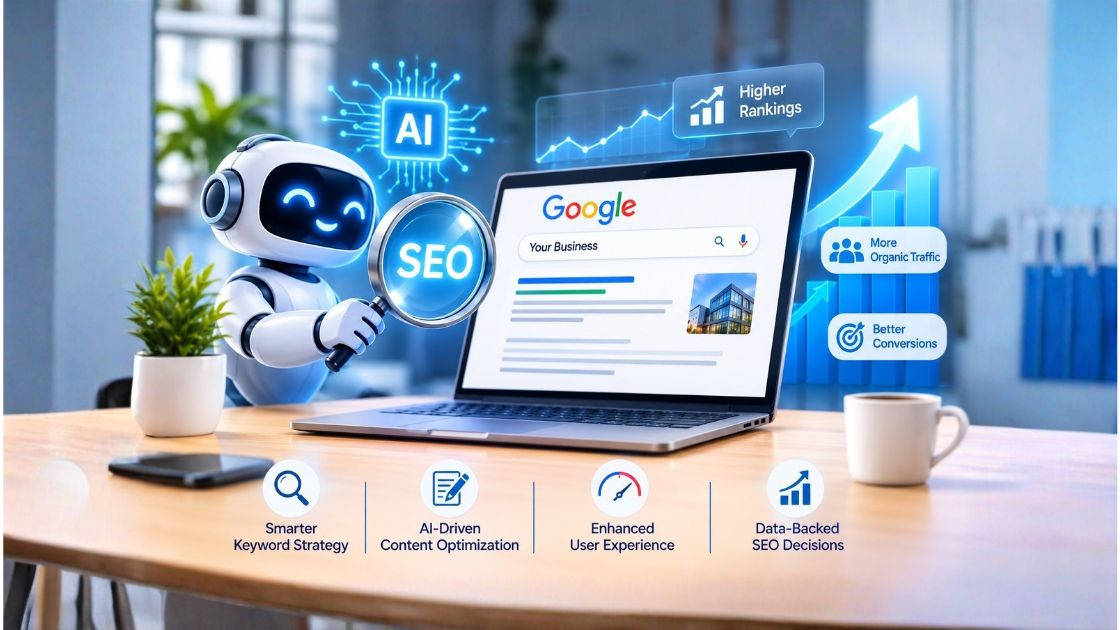


Summary – AI SEO is changing how businesses attract customers, build brand authority, and appear in online search results. Traditional SEO focused heavily on keyword rankings, backlinks, and website optimization. Today, businesses must also consider AI-powered search experiences such as Google AI Overviews, ChatGPT Search, Microsoft Copilot, and Perplexity. This shift makes helpful content, search intent, topical authority, and brand credibility essential for sustainable search visibility.
For businesses across India, adapting to AI SEO means building a search strategy that connects with customers wherever they look for information, compare services, or make purchasing decisions.
What Is AI SEO and Why Does It Matter for Businesses?
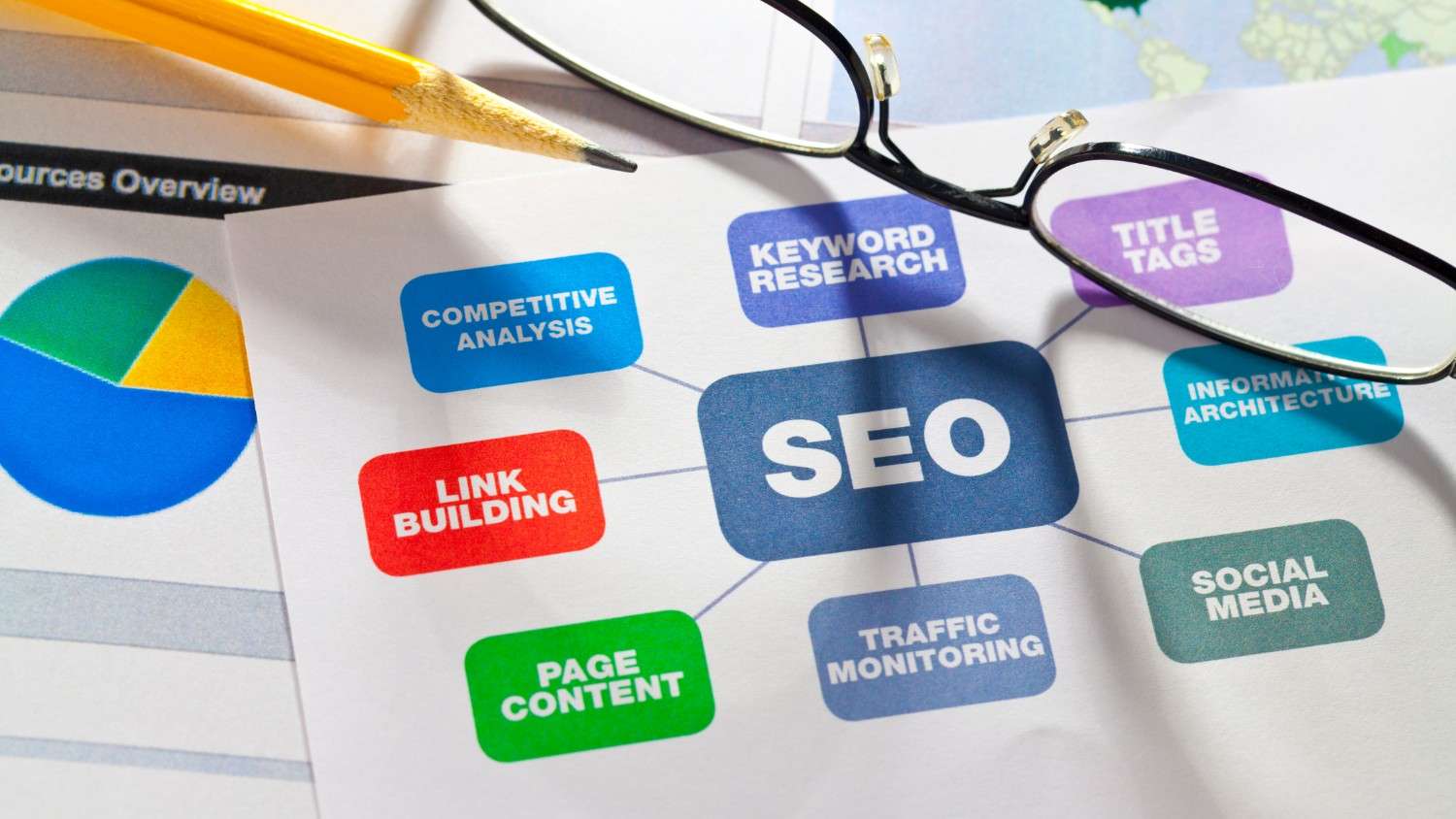
AI SEO refers to using artificial intelligence to improve search engine optimization and adapting website content for AI-powered search experiences. It combines traditional SEO practices with AI-assisted keyword research, search intent analysis, content optimization, and semantic search strategies.
For example, someone looking for a digital marketing service may search Google using a short phrase such as “digital marketing agency near me.” Another person might ask ChatGPT, “Which digital marketing services can help a manufacturing company generate qualified leads?”
Both searches have a similar business objective, but the way users express their requirements is different. AI SEO helps businesses create relevant content that addresses these different search behaviours.
It also helps search engines understand the context of a webpage rather than evaluating it only through individual keywords.
How Is AI Changing the Traditional SEO Landscape?
Search behaviour is gradually moving beyond short keyword searches. People increasingly use conversational queries, voice assistants, and AI-powered platforms to find specific answers.
Here are five important changes businesses should understand.
1. From Keyword Rankings to Search Intent
Traditional SEO often emphasized targeting specific keywords. AI-powered search places greater importance on understanding what users actually want to know.
For instance, a business searching for ways to improve website traffic and lead may need information about technical SEO, content quality, local SEO, and conversion optimization.
Businesses should therefore create content that answers related questions and covers the complete topic rather than repeating one keyword throughout a webpage.
2. From Search Listings to AI-Generated Answers
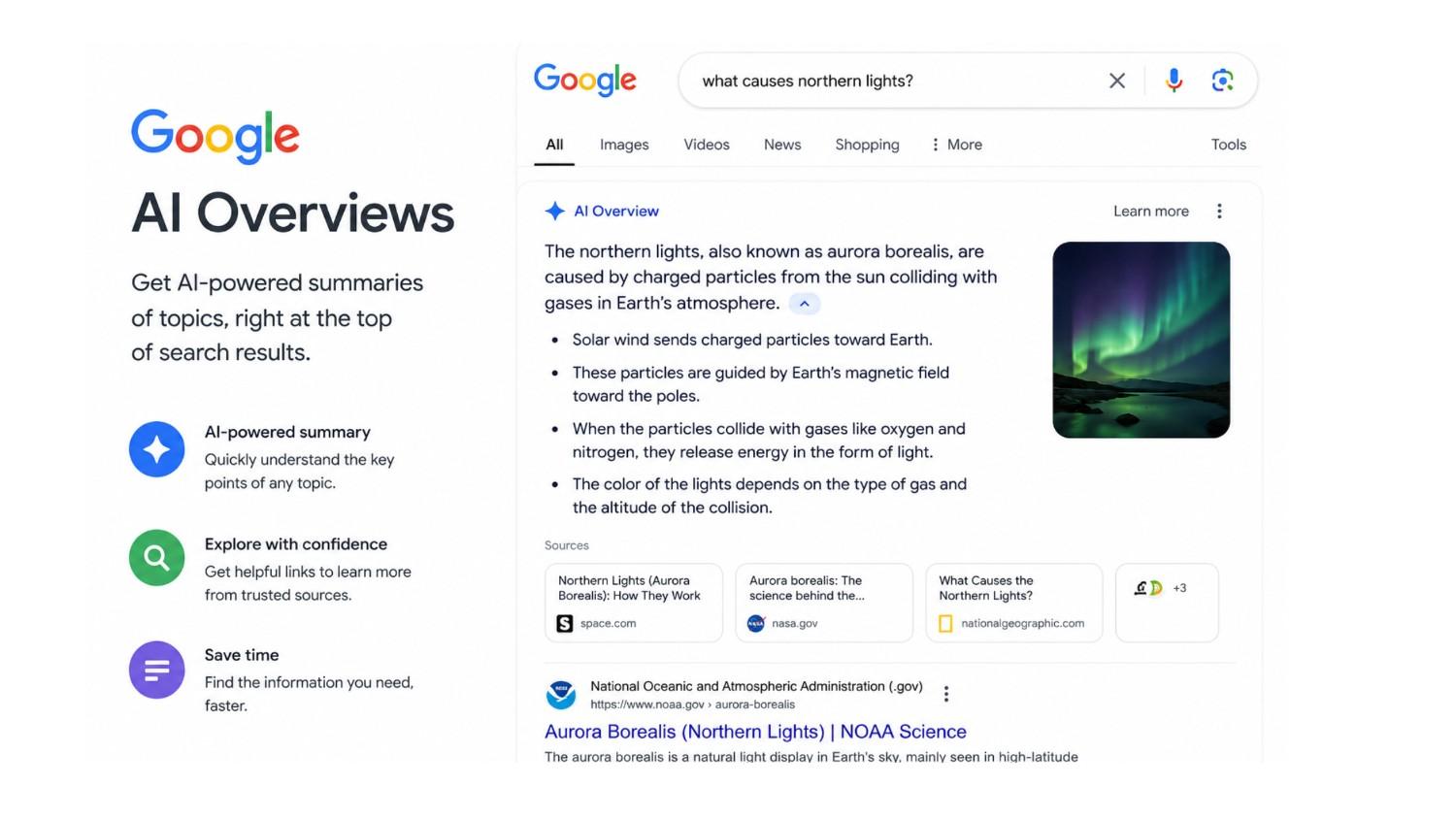
Google AI Overviews and conversational search platforms can summarize information from multiple sources and provide users with direct answers.
This creates another opportunity for businesses to gain visibility beyond traditional organic listings.
Publishing accurate, well-structured, and informative content can improve its usefulness for search discovery. However, appearing in AI-generated answers is not guaranteed by following any particular optimization technique.
3. Greater Importance of Brand Authority
Search visibility is no longer just about ranking individual webpages. Brand reputation, relevant mentions, customer experiences, and trustworthy information also influence how people evaluate businesses.
A company with consistent industry information, helpful resources, and genuine customer feedback can build stronger online credibility.
4. More Conversational Search Queries
Voice search and AI assistants encourage people to ask complete questions instead of entering isolated keywords.
Queries such as, How much does SEO cost for a small business? or How can I improve my website’s Google ranking? reflect this behaviour.
Using natural language and question-based headings helps businesses address these search requirements.
5. Greater Focus on Helpful Content
AI makes it easier to produce large amounts of content, but publishing more articles does not automatically improve rankings.
Businesses need original insights, practical examples, industry knowledge, and useful information that genuinely helps readers.
Which AI SEO Strategies Can Businesses Follow to Improve Search Visibility?
A successful AI SEO strategy should combine established optimization practices with content designed for conversational and AI-powered search.
Create Helpful, Experience-Led Content
Publish articles that answer genuine customer questions and explain industry challenges with practical solutions.
For example, a manufacturing company can publish content about generating industrial enquiries, improving local search visibility, or using digital marketing to reach potential distributors.
Include real examples, expert explanations, relevant statistics, and actionable recommendations wherever possible.
Optimize Content for AEO and GEO
Answer Engine Optimization (AEO) focuses on making information easy to understand and retrieve for answer-based search experiences.
Generative Engine Optimization (GEO) focuses on improving the visibility and representation of content across generative AI search platforms.
Businesses can support both approaches by:
- Answering important questions directly.
- Using descriptive H2 and H3 headings.
- Including relevant industry terminology and entities.
- Supporting claims with reliable sources.
- Providing concise explanations and practical examples.
- Maintaining consistent brand and business information.
These practices improve content clarity and usefulness without relying on artificial keyword placement.
Build Topical Authority Through Internal Linking
Instead of publishing unrelated articles, businesses should develop connected content around their main services and areas of expertise.
For example, a website offering digital marketing services can cover local SEO, technical SEO, content marketing, PPC advertising, social media optimization, and conversion rate optimization.
Relevant internal links help readers explore related information while helping search engines understand the website’s content relationships.
Strengthen Technical SEO Foundations
AI search optimization does not eliminate the importance of technical SEO.
Businesses should maintain crawlable website pages, mobile-friendly layouts, fast loading speeds, secure connections, logical website architecture, and accurate XML sitemaps.
Relevant structured data can also help search engines understand information about products, services, organizations, and articles.
Maintain Consistent Brand Credibility
Business directories, industry publications, relevant guest posts, genuine reviews, and expert contributions can strengthen online reputation.
For example, a local business serving Pimpri-Chinchwad should maintain accurate business information and publish useful content that addresses the requirements of customers in nearby commercial and industrial areas.
Why Should Businesses Consider Local SEO Alongside AI SEO?
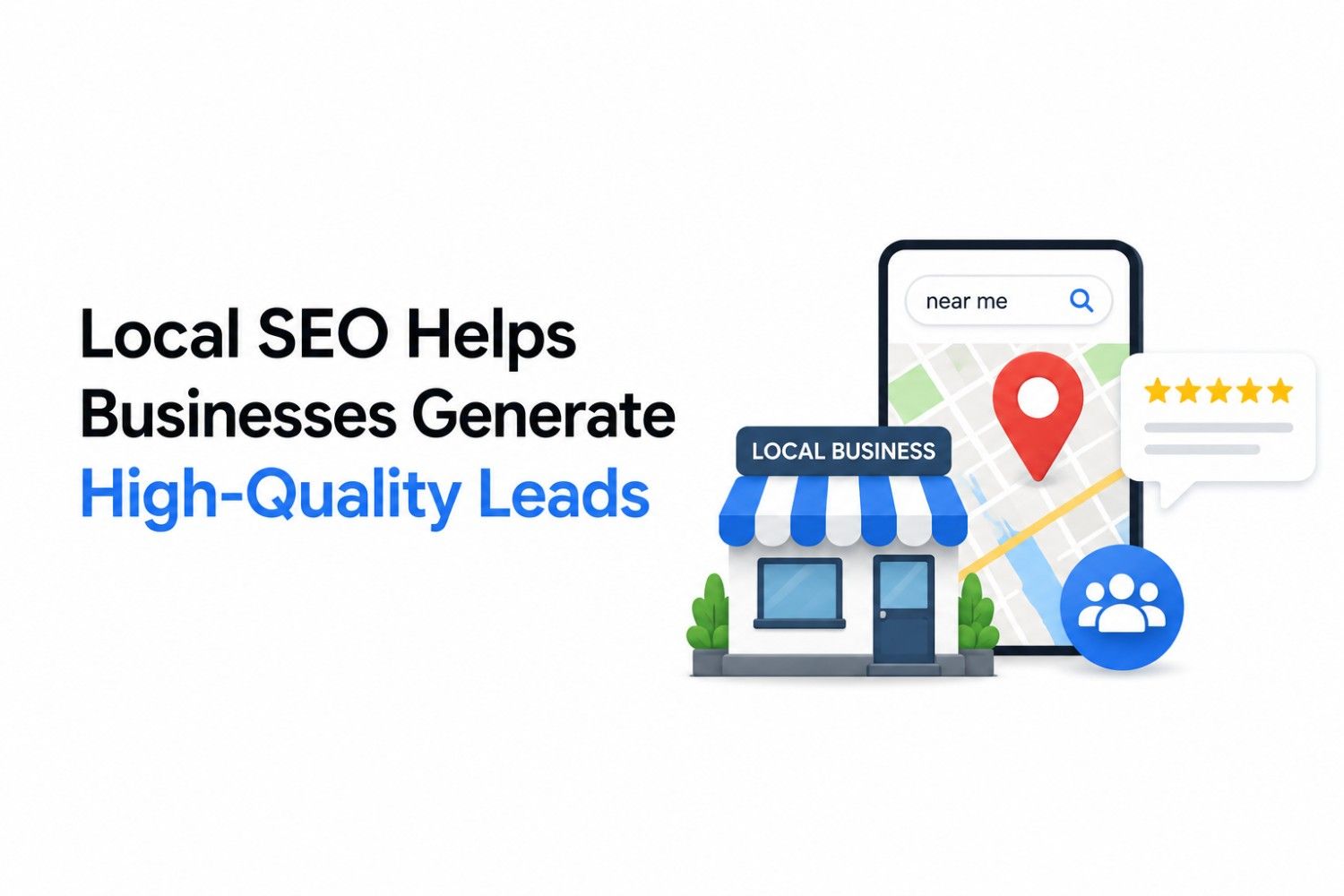
Local SEO remains important because many purchasing decisions begin with location-based searches.
A customer looking for professional services may compare nearby providers, check reviews, explore websites, and evaluate service experience before making an enquiry.
Businesses in Maharashtra, including those operating in Pune, PCMC, Mumbai, and Nashik, can benefit from combining location-specific content with broader industry information.
For example, someone researching an SEO Agency in PCMC may want to understand how local SEO, technical website optimization, content marketing, and AI search visibility contribute to business growth.
A useful approach is to explain these services through educational articles, practical case examples, and relevant business insights rather than simply repeating location-based keywords.
Local relevance can strengthen discovery, while high-quality lead allows businesses to communicate their expertise to audiences beyond their immediate service areas.
How Can Businesses Measure AI SEO Performance?
AI SEO performance should be evaluated through more than keyword rankings alone.
Businesses should monitor several important indicators:
- Organic search traffic: Track visitors arriving through unpaid search results using Google Analytics 4.
- Search performance: Use Google Search Console to monitor impressions, clicks, queries, and average search positions. Businesses can also track and measure SEO performance by combining Google Analytics 4 and Search Console insights.
- Brand visibility: Monitor relevant brand mentions and references across AI-powered search platforms.
- User engagement: Evaluate engaged sessions, landing-page performance, and meaningful website interactions.
- Lead generation: Track enquiries, consultation requests, phone calls, and conversions.
Combining these measurements helps businesses understand whether their SEO activities are contributing to actual commercial outcomes.
What Is the Future of AI SEO for Businesses?
AI SEO is expected to become increasingly connected with conversational search, personalized recommendations, multimodal discovery, and AI-powered assistants.
People may increasingly use a combination of text, voice, images, and follow-up questions when researching products or services.
Businesses that invest in original content, technical website quality, brand authority, and customer-focused optimization will be better positioned to adapt to these changes.
However, AI SEO should not be treated as a replacement for traditional SEO. Strong search visibility requires both: a technically sound website and valuable information that meets user expectations.
Build Your Business Visibility with an AI-Ready SEO Strategy
Search optimization is becoming broader than achieving a position on Google’s first page. Businesses now need a connected approach that combines technical SEO, useful content, brand authority, local relevance, and AI search optimization.
Whether your goal is to attract local customers, generate qualified enquiries, or expand your reach across India, investing in an experienced SEO strategy can help create sustainable digital growth.
Start by evaluating your website’s current search performance, identifying content gaps, and understanding how potential customers discover businesses through Google and AI-powered platforms. Connect with an experienced SEO professional to develop a practical strategy that turns search visibility into measurable business opportunities.
Frequently Asked Questions About AI SEO
What is AI SEO in simple terms?
AI SEO is the practice of using artificial intelligence to support SEO activities and optimizing online content for AI-powered search experiences. It helps businesses improve content relevance, understand search intent, and build visibility across search platforms.
How is AI SEO different from traditional SEO?
Traditional SEO focuses on website optimization, keywords, backlinks, and organic rankings. AI SEO extends these practices by considering conversational queries, semantic relationships, AI-generated answers, and brand visibility across AI-powered platforms.
Can AI SEO help businesses appear in Google AI Overviews?
Yes, strong SEO fundamentals and helpful, relevant content can support eligibility for Google AI Overviews. However, no specific technique guarantees inclusion. Content quality, accessibility, and relevance remain important considerations.
What is the difference between AEO and GEO?
AEO focuses on making content useful for answer-based search experiences, while GEO focuses on improving content visibility in generative AI platforms. Both complement traditional SEO.
Is AI SEO important for small and local businesses?
Yes. Small and local businesses can use AI SEO, local SEO, and helpful content strategies to reach relevant customers, answer industry-specific questions, and build credibility beyond their immediate geographical markets.