

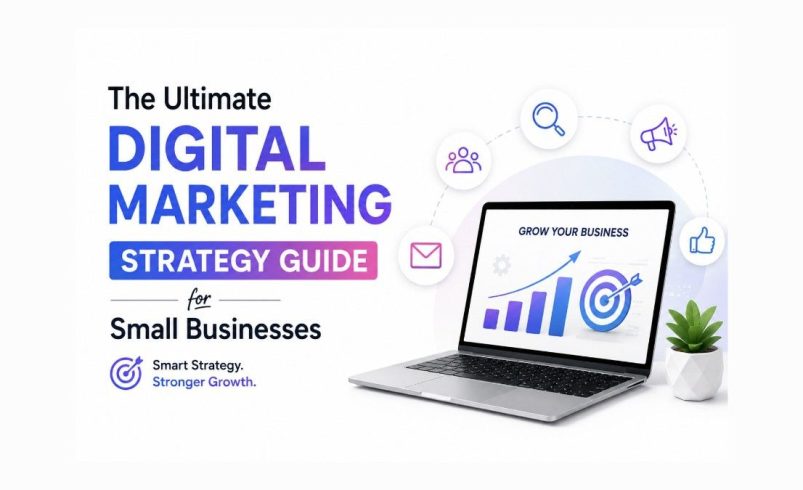
Summary – The best digital marketing strategy for small businesses combines SEO, local SEO, content marketing, Google Ads, social media marketing, email marketing, and AI-powered automation into a single customer acquisition system. Rather than relying on one channel, successful businesses build visibility across Google Search, Google Maps, AI search engines, social platforms, and paid advertising channels to attract, convert, and retain customers.
For most small businesses, the highest-return strategy includes:
- Building a fast, mobile-friendly website
- Ranking in Google Search and Google Maps
- Creating helpful, industry-focused content
- Running targeted Google Ads campaigns
- Building trust through reviews and case studies
- Using AI tools to automate marketing tasks
- Tracking leads and marketing ROI
Businesses that integrate these channels consistently generate more qualified leads, stronger brand visibility, and sustainable growth than those relying on referrals alone.
Why Has Digital Marketing Become Essential for Small Businesses?
Consumer buying behavior has fundamentally changed.
Before contacting a company, most customers now:
- Search Google for solutions
- Compare competitors online
- Read reviews
- Visit websites
- Check social media profiles
- Ask AI tools such as ChatGPT, Gemini, Claude, and Perplexity for recommendations
If your business doesn’t appear during these research stages, competitors receive the opportunity instead.
Whether you run a law firm in Mumbai, a dental clinic in Pune, a manufacturing company in Nashik, or a retail store in Delhi, your online presence often creates the first impression long before a customer speaks with your team.
Digital marketing allows small businesses to compete against larger organizations without requiring enterprise-level budgets.
What Is a Digital Marketing Strategy?
A digital marketing strategy is a structured plan that outlines how a business will attract, engage, and convert potential customers using online channels.
Rather than posting random social media updates or running occasional advertisements, a strategy connects every marketing activity to specific business goals.
Digital Marketing Strategy vs Marketing Tactics
Many businesses confuse strategy with tactics.
Strategy answers:
- Who are we targeting?
- What goals are we trying to achieve?
- Which channels will deliver the best results?
Tactics answer:
- Which keywords should we target?
- What type of Facebook ad should we run?
- How often should we publish blog content?
Without strategy, marketing efforts become disconnected and difficult to measure.
Why Do Small Businesses Need a Digital Marketing Strategy?
A documented strategy helps businesses:
Generate Consistent Leads
Lead generation becomes predictable when multiple channels work together.
Improve Marketing ROI
Instead of guessing where to spend money, businesses can allocate budgets based on performance data.
Build Long-Term Brand Authority
Search visibility, customer reviews, and valuable content create trust over time.
Compete with Larger Companies
A local business with strong SEO and Google Maps visibility can often outrank national competitors for location-specific searches.
Measure Performance Accurately
Every campaign can be tracked, optimized, and improved.
Building the Foundation Before You Start Marketing
Many businesses invest in advertising before establishing a proper foundation.
This usually leads to wasted budgets and poor conversion rates.
Define Clear Business Goals
Start by identifying what success looks like.
Examples include:
- Increase monthly leads by 30%
- Generate 50 qualified inquiries per month
- Improve online sales by 20%
- Rank in Google’s top three positions for target keywords
Specific goals create measurable outcomes.
Identify Your Ideal Customer
Understanding your audience influences every marketing decision.
Questions to answer:
- Who buys your products or services?
- What challenges do they face?
- What solutions are they searching for?
- Which platforms do they use?
For example:
A dental clinic in Pune may target:
- Working professionals
- Families
- Cosmetic dentistry patients
A B2B software company may target:
- Business owners
- Operations managers
- IT decision-makers
The marketing strategy for these audiences would be completely different.
Analyze Your Competitors
Competitor research reveals opportunities.
Review:
- Keywords competitors rank for
- Their Google Business Profiles
- Content strategies
- Review volume
- Social media activity
- Advertising campaigns
This provides insights into market expectations and competitive gaps.
Why Is Your Website the Center of Your Digital Marketing Strategy?
Your website is your most valuable digital asset.
Unlike social media platforms, you own and control it completely.
A well-optimized website works as:
- A lead generation tool
- A sales representative
- A trust-building platform
- A search engine visibility asset
Every marketing channel eventually drives users back to your website.
Essential Website Pages Every Small Business Needs
Home Page
Clearly explain:
- Who you are
- What you do
- Who you help
- Why customers should choose you
Service Pages
Each service should have a dedicated page.
For example, a digital marketing agency should have separate pages for:
- SEO Services
- Google Ads Services
- Social Media Marketing
- Web Design Services
- Content Marketing
Dedicated pages rank better than generic service listings.
Location Pages
Businesses serving multiple areas should create city-specific landing pages.
Examples:
- SEO Services in Pune
- Digital Marketing Agency in Mumbai
- PPC Services in Bangalore
These pages help capture local search traffic and improve regional visibility.
About Us Page
Customers want to know who they are hiring.
Include:
- Company background
- Team expertise
- Certifications
- Industry experience
- Success stories
This strengthens E-E-A-T signals.
Contact Page
Make contacting your business effortless.
Include:
- Phone number
- Email address
- Inquiry form
- Google Map location
- Business hours
How Important Is Website Speed for Marketing Success?
Extremely important.
A slow website impacts:
- Rankings
- User experience
- Conversion rates
- Advertising performance
Google’s Core Web Vitals have become important ranking signals.
Fast websites typically experience:
- Lower bounce rates
- Longer engagement
- Higher lead generation
- Better search visibility
For small businesses, improving page speed often produces faster results than launching additional advertising campaigns.
Search Engine Optimization (SEO): The Highest ROI Channel for Most Small Businesses
SEO helps your business appear when customers actively search for solutions.
Unlike advertising, SEO traffic continues generating leads long after content is published.
What Is SEO?
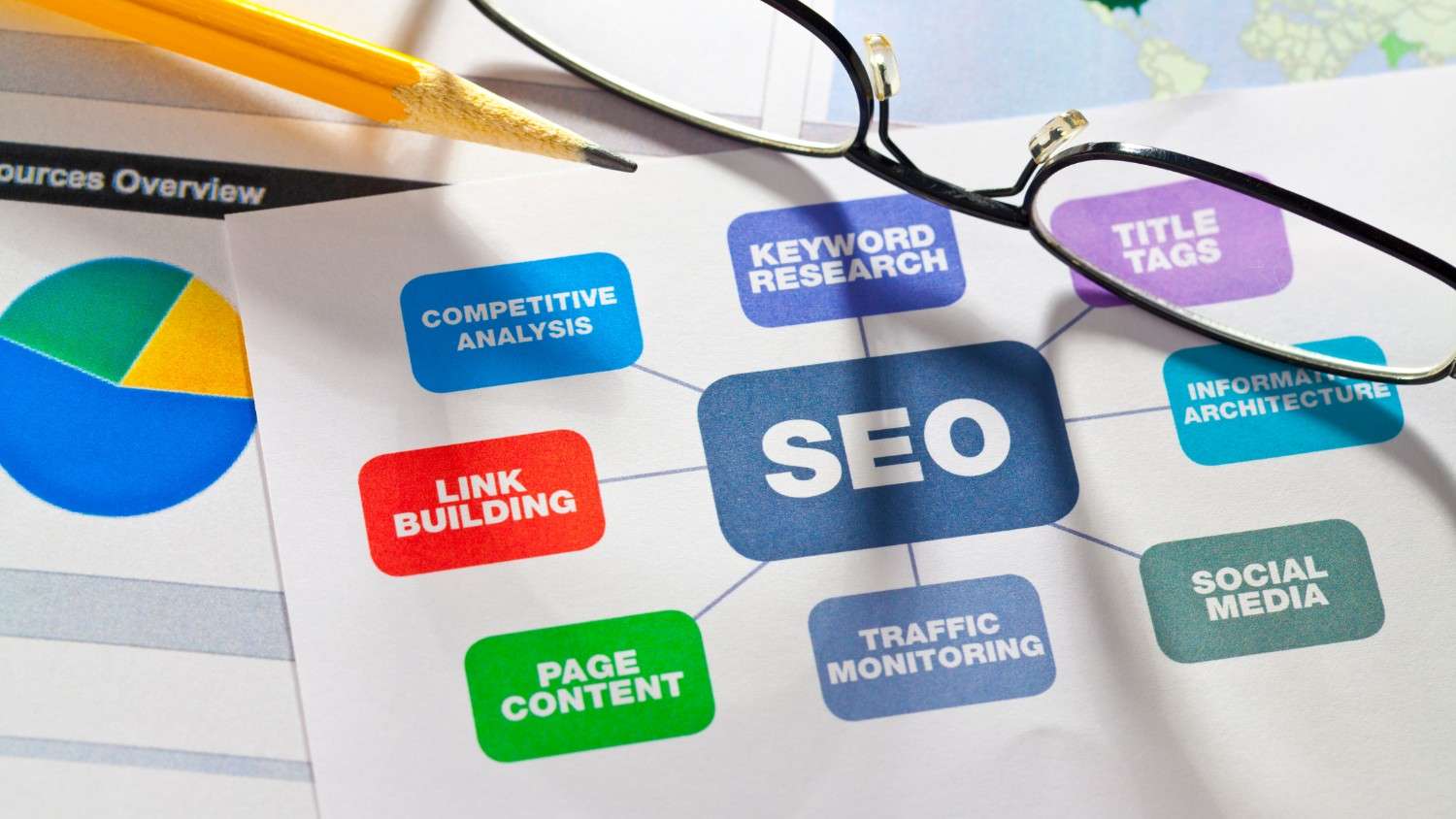
SEO (Search Engine Optimization) is the process of improving a website’s visibility in organic search results.
The goal is simple:
When potential customers search for your services, your business appears prominently in search results.
Example:
A user searching:
“best digital marketing agency in Pune”
is demonstrating strong purchase intent.
Ranking for such keywords can generate highly qualified leads consistently.
Why Does SEO Delivers Long-Term Results?
Paid advertising stops when the budget ends.
SEO continues working.
A well-optimized article or service page can generate traffic and leads for years.
This makes SEO one of the most cost-effective marketing channels available to small businesses.
How to Conduct Keyword Research?
Successful SEO starts with understanding customer search behavior.
Focus on:
Commercial Keywords
Examples:
- SEO company in Pune
- PPC agency near me
- Website design services Mumbai
These searches indicate buying intent.
Informational Keywords
Examples:
- How does SEO work?
- What is Google Ads?
- Digital marketing tips for small businesses
These keywords attract potential customers earlier in the buying journey.
Businesses that target both keyword types typically generate more sustainable growth.
Local SEO: How Small Businesses Win Customers in Their Service Areas
For many small businesses, local SEO generates faster results than traditional national SEO.
When someone searches:
- “plumber near me”
- “best dentist in Pune”
- “digital marketing agency in Mumbai”
- “CA firm near me”
Google prioritizes businesses with strong local relevance.
What Is Local SEO?
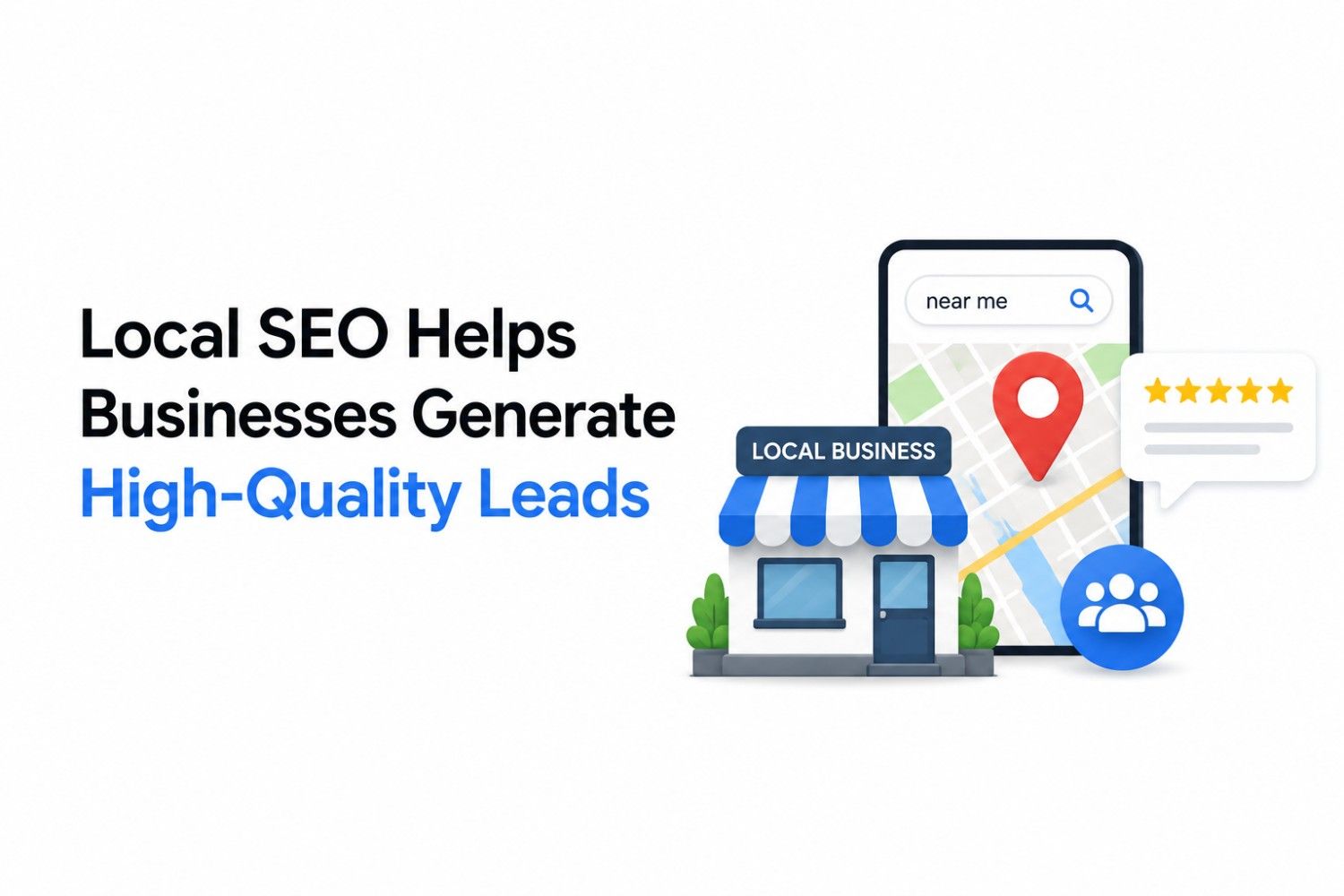
Local SEO is the process of optimizing your online presence to appear in location-based searches and Google Maps results.
It helps businesses attract nearby customers who are actively looking for products or services.
For service-based businesses operating in cities like Pune, Mumbai, Bangalore, Hyderabad, Delhi, Chennai, and Ahmedabad, local SEO can become one of the most profitable lead-generation channels.
How to Optimize Your Google Business Profile?
Your Google Business Profile is often the first thing potential customers see.
A fully optimized profile should include:
- Accurate business name
- Primary and secondary categories
- Business description
- Services
- Service areas
- Photos and videos
- Customer reviews
- Frequently asked questions
Businesses that regularly update their profile and collect reviews typically perform better in local search results.
Why Reviews Matter More Than Ever?
Reviews influence both rankings and conversions.
When customers compare businesses, review quantity and quality often become deciding factors.
Best practices include:
- Request reviews after successful projects
- Respond to every review
- Address negative feedback professionally
- Showcase testimonials on your website
A local service company with 100 authentic reviews often outperforms competitors with stronger branding but fewer reviews.
Create Location-Specific Landing Pages
If you serve multiple cities, create dedicated pages for each location.
Examples:
- SEO Services in Pune
- SEO Services in Mumbai
- PPC Management in Bangalore
- Website Design Services in Delhi
These pages should contain:
- Local customer pain points
- Service information
- Area-specific examples
- Testimonials
- FAQs
Avoid simply changing city names across pages. Each page should provide unique value.
AI SEO: How to Rank in Google AI Overviews and AI Search Engines
Search is changing rapidly.
Customers increasingly ask questions to AI platforms before visiting websites.
This includes:
- ChatGPT
- Gemini
- Perplexity
- Claude
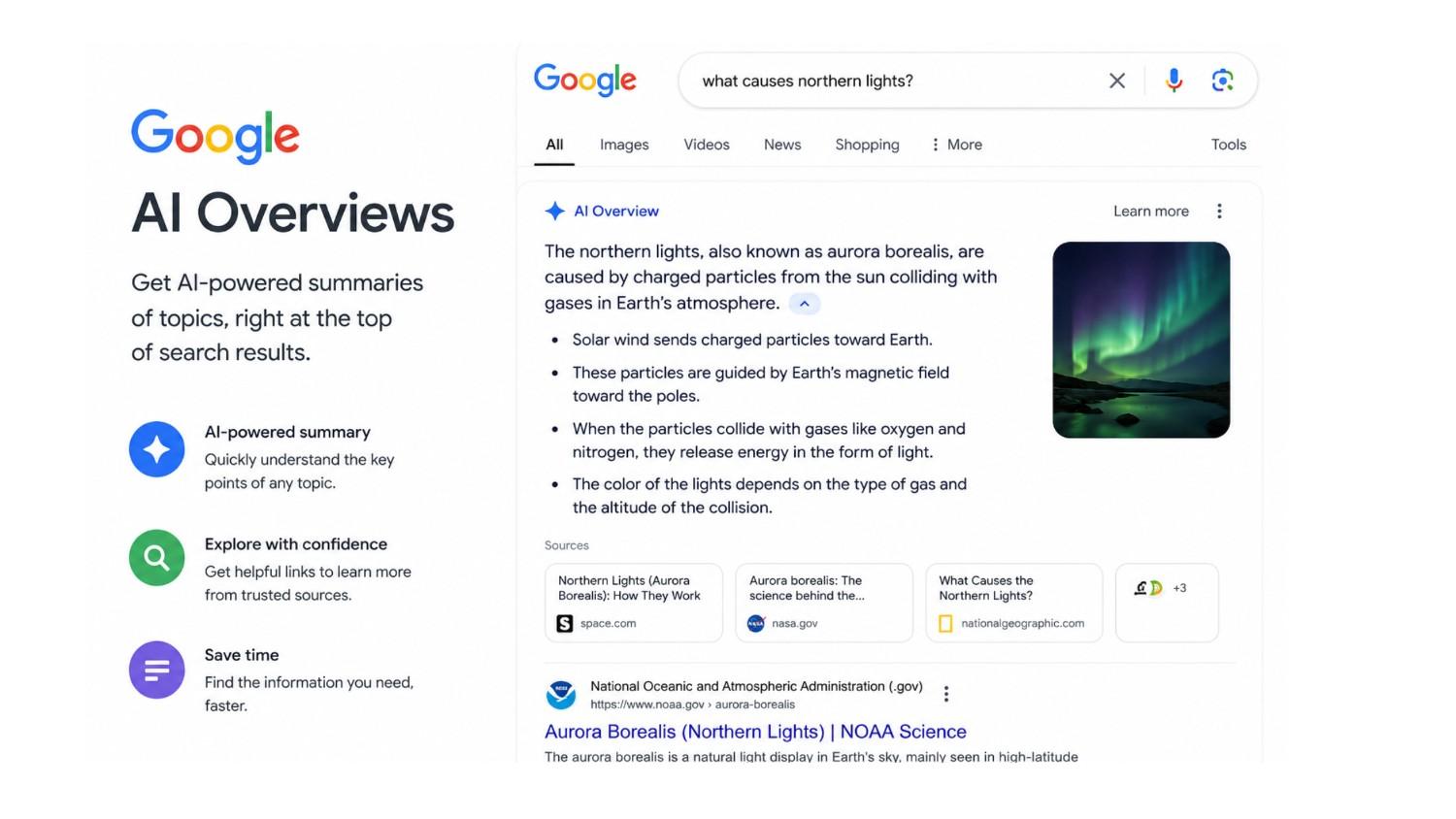
- Google AI Overviews
Businesses that optimize for AI search gain visibility beyond traditional rankings.
What Is AI SEO?
AI SEO focuses on making content easy for AI systems to understand, summarize, and cite.
Instead of optimizing only for keywords, businesses must optimize for:
- Entities
- Context
- Topical authority
- Structured information
- User intent
The goal is to become a trusted source that AI systems confidently reference.
How to Optimize Content for AI Search?
Answer Questions Directly
AI systems prefer clear answers.
Example:
Question:
“What is local SEO?”
Strong answer:
“Local SEO is the process of improving a business’s visibility in local search results and Google Maps to attract nearby customers.”
This format improves extraction and citation potential.
Use Entity-Based SEO
Instead of repeating keywords, include related entities and concepts.
For digital marketing content, relevant entities include:
- Google Search
- Google Business Profile
- Google Ads
- Search Engine Optimization
- Content Marketing
- Social Media Marketing
- Conversion Rate Optimization
Entity-rich content helps AI systems understand topic relationships.
Implement Structured Data
Schema markup helps search engines interpret content.
Important schema types include:
- Organization Schema
- Local Business Schema
- FAQ Schema
- Article Schema
- Review Schema
- Service Schema
Structured data improves visibility in search features and AI-generated answers.
Content Marketing: Building Authority That Generates Leads
Content marketing remains one of the most effective long-term digital marketing investments.
The reason is simple.
People search for answers before purchasing.
Businesses that provide those answers earn trust first.
What Types of Content Should Small Businesses Create?
The most effective content formats include:
Educational Blog Articles
Examples:
- How-to guides
- Industry insights
- Best practices
- Comparison articles
Case Studies
Case studies demonstrate real-world expertise.
A strong case study includes:
- Problem
- Solution
- Results
- Lessons learned
This strengthens E-E-A-T signals significantly.
Video Content
Video continues to dominate engagement metrics.
Popular formats include:
- Tutorials
- Customer testimonials
- Product demonstrations
- Behind-the-scenes content
Short-form videos can be repurposed across multiple platforms.
Understanding the Content Funnel
Top-of-Funnel (Awareness)
Content designed to attract visitors.
Examples:
- What is SEO?
- How Google Ads Work
- Digital Marketing Basics
Middle-of-Funnel (Consideration)
Content designed to educate buyers.
Examples:
- SEO vs Google Ads
- Best CRM Software
- PPC Management Costs
Bottom-of-Funnel (Decision)
Content designed to convert.
Examples:
- Service pages
- Case studies
- Pricing guides
- Consultation pages
The strongest content strategies cover all three stages.
Social Media Marketing: Building Brand Visibility and Trust
Social media is no longer just a branding channel.
It influences:
- Customer trust
- Search visibility
- Website traffic
- Lead generation
The key is selecting platforms that align with your audience.
Which Platforms Should Small Businesses Focus On?
Best for:
- B2B businesses
- Professional services
- Consultants
- Agencies
Best for:
- Local businesses
- Restaurants
- Retail brands
- Lifestyle companies
Best for:
- Community engagement
- Local targeting
- Service businesses
YouTube
Best for:
- Educational content
- Product demonstrations
- Long-form authority building
The goal is consistency rather than being active on every platform.
Google Ads: Accelerating Lead Generation
SEO takes time.
Google Ads can generate leads immediately.
When managed correctly, Google Ads complements SEO rather than replacing it.
When Should Small Businesses Invest in Google Ads?
Google Ads works particularly well when:
- You need leads quickly
- Competition is high
- SEO results are still developing
- Seasonal demand exists
Examples include:
- Legal services
- Healthcare
- Home services
- Education
- Digital marketing services
How to Improve Google Ads ROI?
Focus on:
- High-intent keywords
- Conversion tracking
- Landing page optimization
- Negative keywords
- Geographic targeting
Businesses that continually optimize campaigns often reduce acquisition costs over time.
Email Marketing: One of the Highest ROI Channels
Despite the rise of social media and AI, email marketing continues to deliver exceptional returns.
Unlike social platforms, you own your email audience.
No algorithm can restrict your reach.
What Should Small Businesses Send?
Effective email campaigns include:
- Educational newsletters
- Industry updates
- Promotional offers
- Case studies
- Customer success stories
Consistency matters more than frequency.
A valuable monthly newsletter often outperforms daily promotional emails.
Marketing Automation: Doing More with Less
Small businesses often operate with limited resources.
Automation helps teams scale without increasing headcount.
Examples include:
- Automated email sequences
- Lead nurturing workflows
- Chatbots
- CRM integrations
- Appointment scheduling
Automation improves efficiency while maintaining customer engagement.
How to Measure Digital Marketing Success?
Without measurement, marketing becomes guesswork.
Every business should track performance indicators that connect directly to revenue.
Essential KPIs
Track:
- Website traffic
- Organic rankings
- Leads generated
- Conversion rate
- Cost per lead
- Customer acquisition cost
- Return on ad spend
- Revenue generated
Focus on business outcomes rather than vanity metrics.
What Digital Marketing Budget Should Small Businesses Allocate?
A common recommendation is allocating 5% to 15% of annual revenue toward marketing.
Example:
Business Revenue: ₹1 Crore
Marketing Budget Range:
₹5 Lakhs – ₹15 Lakhs annually
Budget allocation often follows:
- SEO: 30%
- Content Marketing: 20%
- Google Ads: 25%
- Social Media: 15%
- Email Marketing & Automation: 10%
The exact mix depends on business goals, competition, and market conditions.
Ready to Build a Digital Marketing Strategy That Actually Generates Leads?
If your business wants more qualified leads, stronger Google rankings, better visibility in AI-powered search results, and a marketing system built for long-term growth, the next step is creating a strategy tailored to your market, competition, and goals.
Whether you’re targeting customers in Pune, Mumbai, Bangalore, Delhi, Hyderabad, Chennai, Ahmedabad, or across India, a customized SEO, Local SEO, Google Ads, and content marketing strategy can help you attract the right audience and convert more visitors into customers.
Schedule a digital marketing consultation today to identify growth opportunities, uncover competitor gaps, and build a roadmap that delivers measurable business results—not just website traffic.
Frequently Asked Questions
What is the most effective digital marketing channel for small businesses?
SEO and Local SEO typically provide the highest long-term ROI because they generate qualified traffic without paying for every click.
Is SEO better than Google Ads?
SEO provides sustainable long-term growth, while Google Ads delivers immediate visibility. The most effective strategy combines both.
How long does digital marketing take to produce results?
Google Ads can generate leads within days. SEO generally requires three to six months, depending on competition and website authority.
How much should a small business spend on digital marketing?
Most businesses invest between 5% and 15% of annual revenue, depending on growth objectives and industry competition.
Can AI replace digital marketers?
No. AI improves efficiency and productivity, but strategy, creativity, customer understanding, and business decision-making still require human expertise.
What is the biggest digital marketing mistake small businesses make?
Focusing on tactics before strategy. Businesses often run ads, publish content, or post on social media without clear goals or measurement systems.