



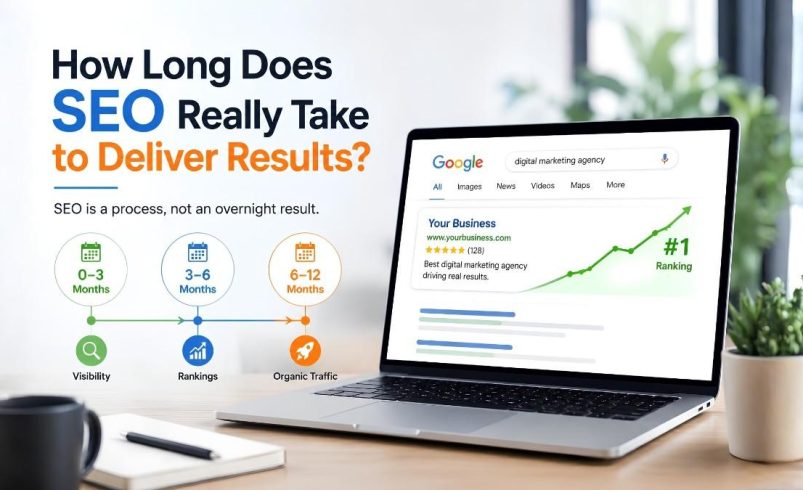
Summary – SEO usually takes around 3–6 months to produce noticeable results, while competitive websites and industries may need 6–12 months or longer. However, SEO does not follow a fixed timeline. A new website targeting highly competitive keywords may take longer, while an established website with strong authority can see improvements much sooner. Early progress often appears as higher impressions, better keyword positions, and increased organic traffic before substantial leads and revenue follow.
The actual SEO timeline depends on factors such as website quality, competition, keyword difficulty, technical SEO, content quality, backlinks, search intent, domain authority, and how consistently optimization work is performed.
One of the first questions businesses ask before investing in SEO is simple: “How long does SEO take to show results?”
It is a fair question. If you are spending money and resources on content, technical improvements, link building, and optimization, you naturally want to know when those efforts will start producing traffic and leads.
The honest answer is that SEO is not an overnight strategy. You may notice small ranking and visibility improvements within the first few weeks or months, but meaningful organic growth commonly takes 3–6 months. For competitive industries, new websites, and difficult keywords, reaching strong positions can take 6–12 months or more.
What matters is not simply how quickly a website reaches page one. A successful SEO campaign should gradually increase relevant traffic, qualified enquiries, conversions, and business revenue.
How Long Does SEO Take to Show Results?
For most websites, 3–6 months is a realistic timeframe for noticeable SEO progress when the strategy is implemented consistently.
That does not mean nothing happens during the first three months. Search engines continuously crawl, process, and evaluate websites. During this period, you may see:
- More pages getting indexed
- Increased search impressions
- Improvements in keyword positions
- Growth in long-tail keyword rankings
- More organic clicks
- Better visibility for local searches
For example, a digital marketing company targeting competitive terms such as “SEO agency in Pune” may require considerably more time than a local business targeting a highly specific phrase such as “industrial equipment supplier in Bhosari.”
The keyword, website authority, competition, content quality, and search intent all influence the timeline.
What Does “SEO Results” Actually Mean?
SEO results are often misunderstood because ranking is only one part of the picture.
A website can improve from position 70 to position 25 and technically achieve an SEO improvement, but that may not generate significant business value yet.
A stronger way to measure SEO performance is through several stages.
1. Improved Search Visibility
Your pages begin appearing for more relevant searches, increasing impressions in Google Search.
2. Better Keyword Rankings
Important keywords gradually move from lower positions toward the first page.
3. Increased Organic Traffic
As rankings improve, more people discover and visit your website without paid advertising.
4. More Qualified Leads
When your content targets commercial and high-intent searches, organic traffic can start producing enquiries.
5. More Conversions and Revenue
Ultimately, SEO should support measurable business growth rather than simply produce impressive ranking reports.
This is particularly important for service businesses. Ranking for “what is SEO” may bring visitors, but ranking for “SEO agency in Pune” has much stronger commercial intent.
What Should You Expect During the First 6 Months of SEO?
Month 1: Research, Auditing and Technical Improvements
The first month is usually about building the foundation.
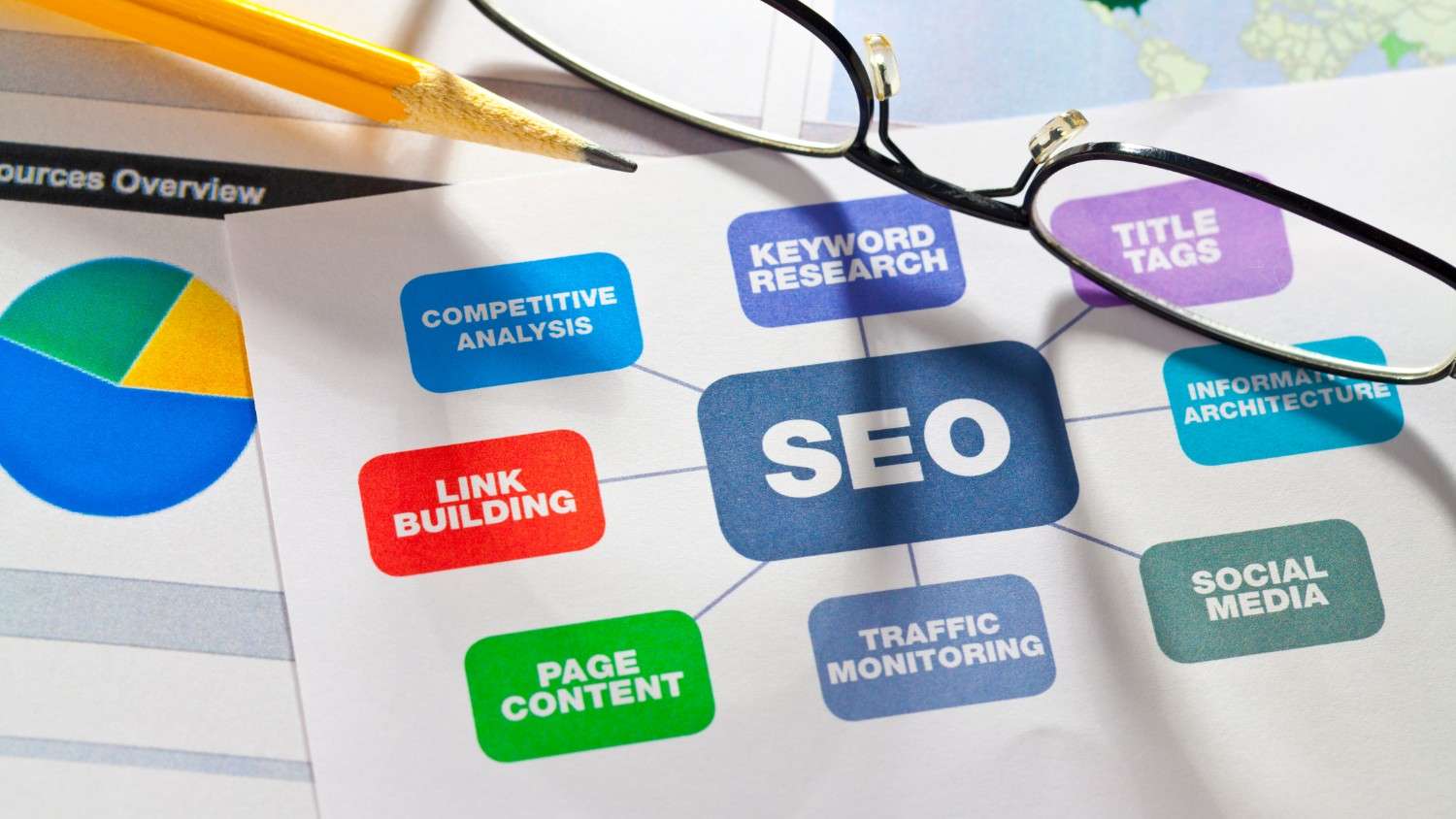
An SEO professional may conduct keyword research, competitor analysis, technical audits, indexing checks, internal-linking reviews, content evaluations, and on-page optimization.
Issues involving broken links, crawlability, duplicate content, missing metadata, poor page structure, or slow loading speeds may also need attention.
You may not see dramatic traffic growth yet, but these improvements can remove obstacles that prevent search engines from properly understanding the website.
Month 2: Content and On-Page Optimization
The next stage usually focuses heavily on content and search intent.
Existing service pages and blogs can be optimized around relevant keywords and user questions. New content may be created to cover topics that competitors have overlooked.
For example, instead of producing another generic article about digital marketing, a Pune-focused agency might create useful content around local search behaviour, SEO for businesses in Pune, or digital marketing strategies for businesses in PCMC.
This creates topical relevance while addressing real customer searches.
Month 3: Early Ranking Signals
By the third month, some websites begin showing clearer ranking improvements.
You may notice that long-tail keywords start moving faster than highly competitive terms. Search impressions can increase even before traffic grows significantly.
This is an important stage because SEO data can reveal which pages and keywords have the greatest potential.
A page ranking around positions 11–20, for example, may become a strong candidate for further content optimization and internal linking.
Months 4–6: Traffic and Authority Growth
Between months four and six, consistent SEO work can begin producing more noticeable organic growth.
Content may rank for multiple related searches rather than a single target keyword. Relevant backlinks and mentions can strengthen website authority, while internal linking helps distribute relevance across important pages.
At this point, SEO should become increasingly data-driven.
Instead of asking only, “What keywords are ranking?”, businesses should also ask:
Which pages are generating qualified traffic? Which searches are producing enquiries? Which content needs improvement?
What Factors Affect How Fast SEO Works?
There is no universal SEO timeline because every website starts from a different position.
Website Age and Authority
A newly launched domain usually needs more time to establish credibility than an established website with years of useful content and relevant links.
Keyword Competition
Ranking for a niche, specific keyword is generally easier than competing for a broad commercial term with thousands of established pages.
Content Quality
Search engines need clear evidence that a page satisfies the user’s search intent. Thin, repetitive, or poorly structured content can limit progress.
Technical SEO
Problems with indexing, mobile usability, site architecture, page speed, redirects, or crawlability can slow down growth.
Backlinks and Authority
Relevant, trustworthy backlinks can help establish authority. However, quality matters more than simply collecting large numbers of links.
Consistency
SEO tends to perform better when optimization, content development, technical monitoring, and authority building happen continuously rather than sporadically.
Does SEO Take Longer for a New Website?
Yes, in many cases.
A new website has limited historical authority, fewer indexed pages, and little evidence of relevance compared with established competitors.
For a new business in Pune, Mumbai, Bengaluru, or another competitive Indian market, the initial SEO strategy may focus on realistic long-tail keywords before moving toward highly competitive commercial terms.
For example, targeting “best digital marketing agency” immediately may be unrealistic for a new website. More specific searches related to services, industries, or locations can provide earlier opportunities.
Once the website builds authority and topical depth, broader keywords can become more achievable.
How Long Does Local SEO Take to Work?
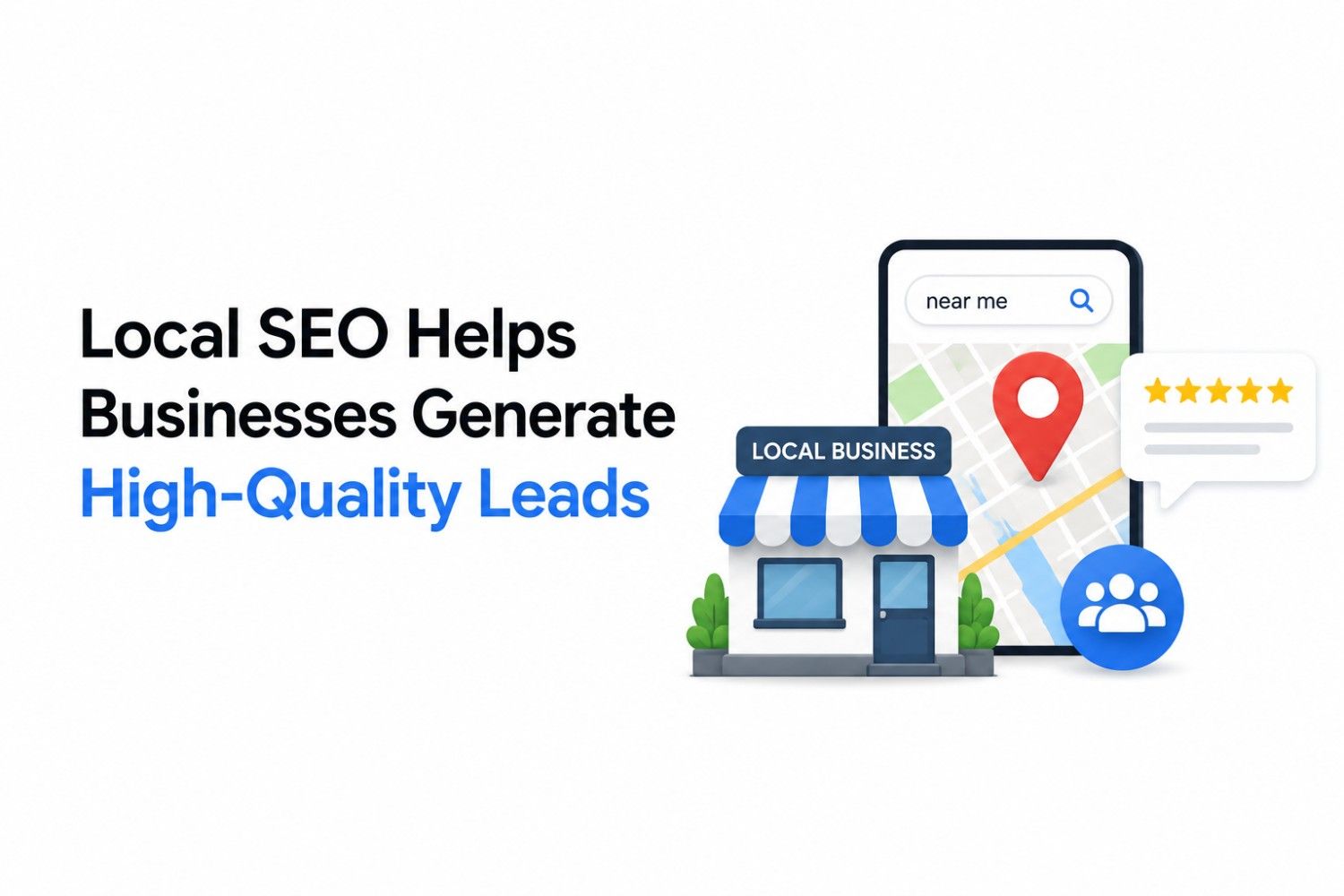
Local SEO can sometimes produce visibility faster than highly competitive national SEO because the search results are geographically focused.
A business targeting searches such as “SEO agency in Pimpri-Chinchwad,” “website design company in Wakad,” or “digital marketing agency in Baner” is competing within a specific local market rather than the entire country.
Local SEO commonly involves:
- Google Business Profile optimization
- Local keyword targeting
- Location-specific service pages
- Customer reviews
- Local citations
- Relevant local backlinks
- Consistent business information
- Helpful locally relevant content
However, local SEO still requires time and consistency. Strong competition within areas such as Pune, PCMC, Mumbai, or Bengaluru can make some local keywords difficult.
Can SEO Work in 30 Days?
Yes, but expectations should be realistic.
Within 30 days, you may see technical improvements, indexing changes, increased impressions, and movement for less competitive keywords.
What is unlikely is consistently moving a brand-new website to the top of Google for highly competitive keywords within one month.
Anyone promising guaranteed first-page rankings in a few weeks should be approached carefully.
SEO depends partly on factors outside an agency’s direct control, including competitors, search algorithms, website history, and the authority of competing pages.
Why Is My Website Not Getting SEO Results Yet?
If several months have passed without meaningful improvement, do not automatically assume SEO does not work.
Check whether:
- The website is properly indexed.
- Target keywords are realistic.
- Content genuinely satisfies search intent.
- Important pages have sufficient topical depth.
- Technical SEO issues are limiting crawling.
- Internal links connect related pages.
- The website has relevant authority signals.
- Content is being updated based on performance data.
- SEO activities are being performed consistently.
Sometimes the problem is not the amount of SEO work but the strategy behind it.
For example, publishing 50 articles around unrelated keywords may be less effective than building a focused content cluster around one service or industry.
How Can You Make SEO Results Happen Faster?
You cannot force Google to rank a website instantly, but you can remove unnecessary delays.
Start by fixing critical technical issues. Then prioritize keywords based on search intent, competition, relevance, and business value.
Optimize pages that are already receiving impressions but ranking poorly. Improve their content, structure, internal links, titles, headings, and user experience.
Build useful content around related questions rather than repeatedly inserting the same keyword.
For local businesses, strengthen Google Business Profile signals, reviews, location relevance, and locally useful content.
Most importantly, measure progress regularly and adjust the strategy based on actual search data.
How Do You Measure Whether SEO Is Working?
A useful SEO measurement framework should include:
- Organic impressions
- Organic clicks
- Keyword rankings
- Organic traffic
- Engagement
- Leads and enquiries
- Conversion rate
- Revenue from organic search
Google Search Console is particularly useful for identifying impressions, clicks, queries, and pages that are gaining visibility.
Analytics and CRM data can then help connect organic traffic with actual enquiries and customers.
This distinction matters. A website receiving 20,000 monthly visitors is not necessarily outperforming one receiving 5,000 visitors if the second website generates significantly more qualified leads.
When Should You Expect SEO to Generate Leads?
SEO can generate leads before a website reaches its ultimate ranking potential, particularly when it targets high-intent searches.
A person searching for “how does SEO work?” is researching.
Someone searching for “SEO agency in Pune pricing” is much closer to making a purchasing decision.
That is why a strong SEO strategy combines informational content with service pages, commercial keywords, comparison content, FAQs, and conversion-focused landing pages.
The goal is not simply more traffic. It is more relevant traffic that takes action.
How Long Should You Give SEO?
So, how long does SEO really take to deliver results?
For most businesses, 3–6 months is a sensible timeframe for measuring meaningful progress, while stronger and more competitive results often require 6–12 months or ongoing optimization.
The key is to stop viewing SEO as a one-time task. It is a continuous process of improving technical performance, creating genuinely useful content, strengthening authority, understanding search behaviour, and converting organic visitors into customers.
If your website has been doing SEO for several months but rankings, traffic, or leads are still not moving, the next step is not necessarily to publish more content. Review the strategy, identify what is holding the website back, and prioritize the changes most likely to produce business results.
If you are planning an SEO campaign, start with a realistic audit and measurable goals rather than a promise of instant rankings. A focused strategy, consistent execution, and regular performance analysis can turn SEO from a long waiting game into a predictable channel for long-term organic growth.
Frequently Asked Questions About SEO Timelines
How long does SEO take to work?
Most websites need around 3–6 months to see noticeable SEO progress, while competitive websites may need 6–12 months or longer.
Can SEO work in one month?
Some improvements can appear within a month, particularly for technical SEO and low-competition keywords. Major organic growth usually takes longer.
How long does it take to rank #1 on Google?
There is no guaranteed timeframe for reaching position one. Competition, authority, content quality, search intent, and many other factors influence rankings.
Does local SEO work faster than traditional SEO?
Local SEO can sometimes show results sooner because geographic searches have a smaller competitive pool, but the timeline still depends on the market and competition.
Does a new website take longer to rank?
Generally, yes. New websites need time to establish authority, publish useful content, earn relevant links, and demonstrate consistent relevance.
Is SEO worth it if results take months?
For businesses seeking sustainable organic traffic and leads, SEO can be highly valuable because the benefits can continue accumulating after individual optimization efforts are completed.