




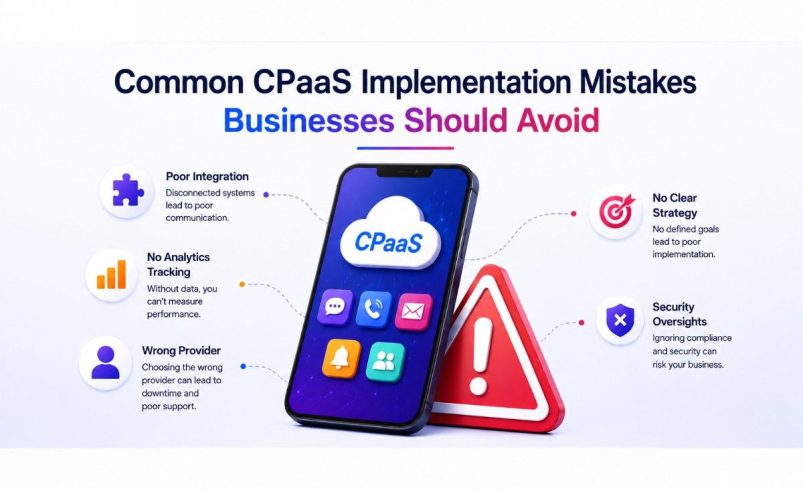
Summary – CPaaS (Communications Platform as a Service) helps businesses streamline customer communication through SMS, voice, WhatsApp, RCS, and other digital channels. However, poor implementation can lead to integration issues, higher costs, and a frustrating customer experience. By avoiding common mistakes and following proven best practices, businesses can build a secure, scalable, and reliable communication system that supports long-term growth.
Businesses today rely on fast, reliable communication to keep customers informed and engaged. Whether it’s sending OTPs, confirming orders, automating support, or running marketing campaigns, a well-implemented CPaaS platform makes these interactions seamless.
The challenge is that many companies focus only on choosing a CPaaS provider and overlook how the platform will fit into their existing processes. Without proper planning, even the best technology can fall short of expectations.
A successful implementation isn’t just about connecting APIs—it’s about creating a communication strategy that improves customer experience while supporting future business growth.
What Is CPaaS?
CPaaS, or Communications Platform as a Service, is a cloud-based solution that allows businesses to integrate communication features directly into their applications using APIs. Instead of investing in expensive communication infrastructure, organizations can quickly add services like SMS, voice calls, WhatsApp Business messaging, RCS, email notifications, and AI-powered conversations.
For example, when a customer receives an order confirmation on WhatsApp, an SMS delivery update, and an automated voice reminder, those interactions are often powered by a CPaaS platform working behind the scenes.
As more businesses adopt digital communication, choosing the right technology is important—but implementing it correctly is even more critical.
Common CPaaS Implementation Mistakes Businesses Should Avoid
Choosing a Provider Based Only on Cost
Budget always plays a role in technology decisions, but selecting a CPaaS platform based only on the lowest price can create bigger challenges later. A low-cost solution may come with limited integrations, unreliable delivery, fewer security features, or slower technical support.
Imagine an eCommerce business running a festive sale. If OTPs or order updates are delayed because the platform struggles with high traffic, customers may abandon their purchases or lose confidence in the brand.
Instead of comparing providers only by pricing, consider factors such as uptime, API reliability, scalability, security, customer support, and compliance. Businesses looking for a CPaaS provider in India should also ensure the platform supports local messaging regulations and delivers reliable communication across different regions.
Starting Without Clear Business Goals
Another common mistake is implementing CPaaS without defining what success looks like.
Some businesses want to automate customer support, while others focus on marketing campaigns or transactional notifications. Without clear objectives, it’s difficult to measure results or optimize communication workflows.
Before implementation, identify questions like:
- Which customer interactions should be automated?
- Which communication channels matter most?
- How will success be measured?
- What business problems are you trying to solve?
For example, a healthcare provider may prioritize appointment reminders, while a logistics company focuses on real-time delivery notifications. Defining these goals early helps create a communication strategy that supports actual business needs instead of relying on guesswork.
Ignoring the Customer Journey
Sending more messages doesn’t always improve communication. Customers expect timely, relevant, and personalized interactions—not repeated notifications across every available channel.
Consider a customer who receives the same order confirmation through SMS, WhatsApp, email, and a voice call within a few minutes. Instead of feeling informed, they may find the experience overwhelming.
Mapping the customer journey before implementation helps businesses decide when to send messages, which channel to use, and how often customers should be contacted. This simple step improves engagement while reducing unnecessary communication.
Poor API Integration Planning
A CPaaS platform delivers the best results when it works seamlessly with your CRM, website, mobile application, ERP, or other business software.
Unfortunately, many organizations rush deployment without planning how these systems will communicate with each other. This often leads to duplicate records, failed notifications, incorrect customer data, and additional manual work.
A better approach is to involve both technical and business teams before implementation. Planning API workflows, testing integrations, and documenting communication processes helps reduce future issues while creating a smoother customer experience.
Prioritize Security and Compliance from Day One
Communication platforms handle sensitive customer information every day, from phone numbers and OTPs to payment alerts and account updates. Overlooking security during implementation can lead to compliance issues, data risks, and a loss of customer trust.
For businesses operating in India, following TRAI DLT guidelines for business messaging is essential. Companies serving international customers should also stay informed about applicable privacy and data protection regulations.
A secure CPaaS implementation should include:
- Encrypted API connections
- User authentication and access controls
- Customer consent management
- Secure data storage
- Regular security reviews
Customers are more likely to engage with businesses that handle their information responsibly, making security a key part of a successful communication strategy.
Don’t Skip Testing Before Launch
One mistake that often goes unnoticed is launching a CPaaS solution without proper testing. While the platform may appear ready, even small issues can affect the customer experience.
For example, an OTP that arrives after it has expired or an order notification sent to the wrong customer can quickly reduce confidence in your brand.
Before going live, test every communication workflow, including:
- SMS and voice delivery
- WhatsApp message templates
- API integrations
- Automated notifications
- High-volume message handling
A little extra testing before launch can prevent unnecessary customer complaints and save valuable time later.
Plan for Growth, Not Just Today’s Needs
Many businesses choose a CPaaS solution based on their current communication volume without considering future expansion.
A platform that works well for a few thousand monthly messages may struggle as your customer base grows. Seasonal campaigns, new product launches, or expanding into different cities can significantly increase communication traffic.
Choosing a scalable platform allows your business to grow without constantly replacing technology or rebuilding communication workflows. This is especially important for organizations planning to automate customer support, marketing campaigns, or transactional messaging over the long term.
Use Communication Channels with Purpose
One of the biggest advantages of CPaaS is access to multiple communication channels. However, using every channel for every interaction isn’t always the best approach.
Instead, assign each channel a clear purpose. For example:
- SMS for OTP verification and urgent alerts
- WhatsApp for order updates and customer support
- Voice calls for important reminders
- RCS for interactive marketing campaigns
- Email for invoices and detailed information
A thoughtful communication strategy helps customers receive the right information through the channel they’re most likely to use, creating a smoother overall experience.
Track Performance and Keep Improving
Implementing CPaaS isn’t a one-time project. To get the best results, businesses should regularly review communication performance and identify opportunities for improvement.
Useful metrics include message delivery rates, customer response rates, API performance, engagement levels, and support resolution times. These insights make it easier to understand what is working and where adjustments are needed.
For instance, if customers consistently respond better to WhatsApp notifications than email updates, future campaigns can be optimized to match those preferences. Small improvements based on real data often lead to stronger customer engagement and better business outcomes.
Best Practices for a Successful CPaaS Implementation
Businesses that achieve long-term success with CPaaS usually follow a structured implementation plan rather than rushing deployment.
Some practical best practices include:
- Define clear communication objectives before implementation.
- Choose a reliable CPaaS provider based on performance, support, and scalability instead of price alone.
- Integrate communication APIs carefully with existing business systems.
- Test every workflow before launching.
- Monitor performance regularly and optimize using analytics.
- Keep security and compliance at the center of every communication process.
These simple steps help reduce implementation challenges while improving operational efficiency and customer satisfaction.
Build a Stronger Communication Strategy with the Right CPaaS Approach
A successful CPaaS implementation isn’t just about adopting new technology—it’s about creating meaningful customer interactions that are reliable, secure, and easy to manage. By avoiding common implementation mistakes and following a structured approach, businesses can improve communication, strengthen customer relationships, and prepare for future growth.
Whether you’re modernizing customer support, automating notifications, or expanding omnichannel communication, partnering with an experienced CPaaS provider in India and a trusted telecom provider for business growth can make implementation smoother and more effective. Taking the time to plan today will help your business deliver faster, smarter, and more consistent customer experiences for years to come.
Frequently Asked Questions
What is CPaaS implementation?
CPaaS implementation is the process of integrating communication services such as SMS, voice calls, WhatsApp, RCS, and email into business applications using APIs. A well-planned implementation ensures reliable communication, better customer experiences, and improved operational efficiency.
What is the most common CPaaS implementation mistake?
The biggest mistake is focusing only on the platform instead of the implementation strategy. Choosing a provider based solely on price, skipping testing, poor API integration, and ignoring customer communication preferences can all affect the success of a CPaaS project.
Why is scalability important when implementing CPaaS?
As your business grows, communication volumes also increase. A scalable CPaaS platform can handle higher message traffic, support additional communication channels, and integrate with new business applications without disrupting existing workflows.
How can businesses improve the success of their CPaaS implementation?
Businesses should start with clear goals, choose a trusted CPaaS provider, test every communication workflow, monitor performance regularly, and continuously optimize customer interactions based on analytics and feedback.